 See all Antibiotics
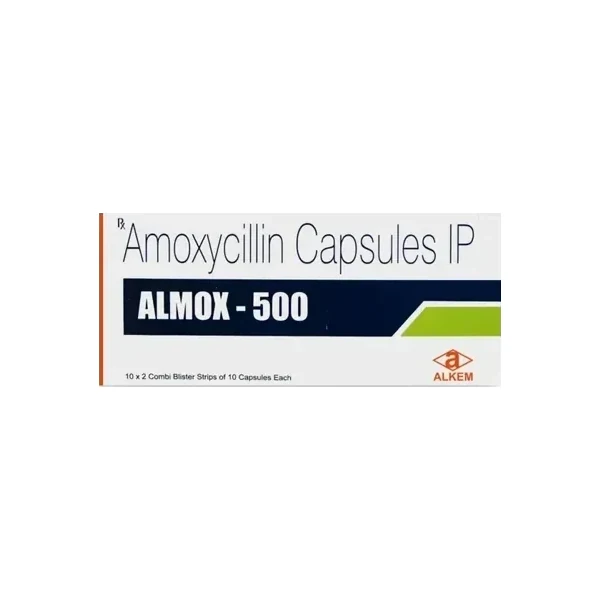
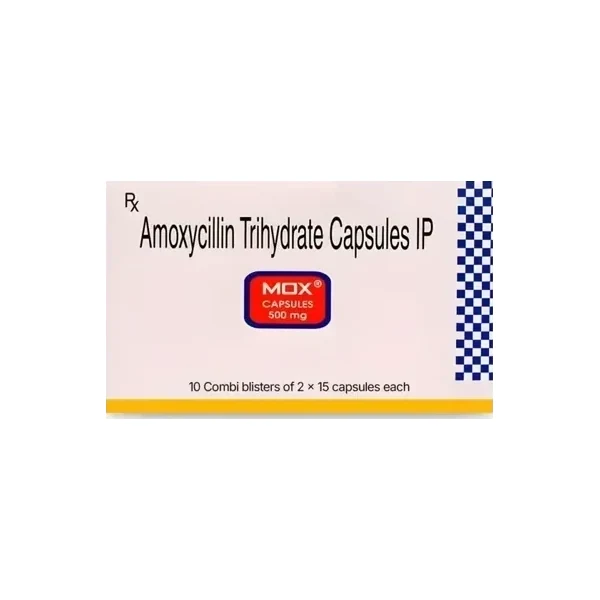
Almox 500 mg Capsule
Starting at just$28.20
 See all Antibiotics
 See all Antibiotics
 See all Antibiotics
 See all Antibiotics
 See all Antibiotics
 See all Antibiotics
 See all Antibiotics
 See all Antibiotics
 See all Antibiotics
 See all Antibiotics
 See all Antibiotics
 See all Antibiotics
 See all Antibiotics
 See all Antibiotics
 See all Antibiotics
 See all Antibiotics
 See all Antibiotics
 See all Antibiotics
 See all Antibiotics
 See all Antibiotics
 See all Antibiotics
 See all Antibiotics
 See all Antibiotics
 See all Antibiotics
 See all Antibiotics
 See all Antibiotics
 See all Antibiotics
 See all Antibiotics
 See all Antibiotics
 See all Antibiotics
 See all Antibiotics
 See all Antibiotics
 See all Antibiotics
 See all Antibiotics
 See all Antibiotics
 See all Antibiotics
 See all Antibiotics
 See all Antibiotics
 See all Antibiotics
Antibiotics are prescribed only for bacterial infections, including:
Antibiotics do not work against viruses and must not be used for the common cold, flu, or COVID-19.
Key antibiotic salts are prescription medicines used to treat various bacterial infections. Doctors choose the right salt based on the infection site, likely bacteria, allergy history, test results, and resistance risk.
| Salt | Primary Use | Rx / OTC |
|---|---|---|
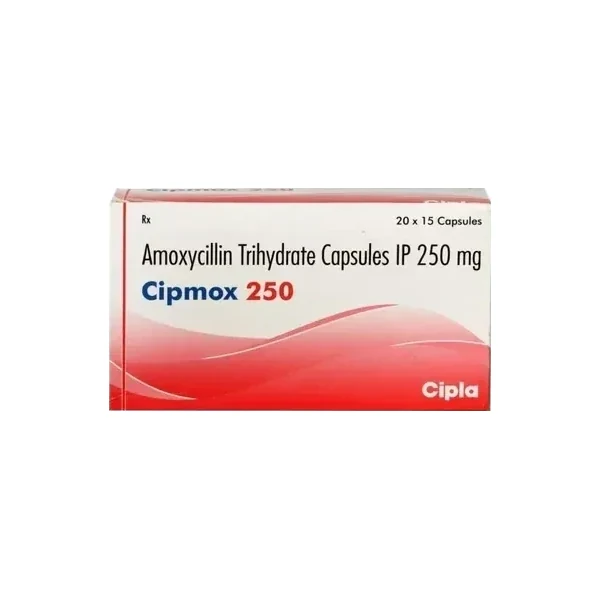
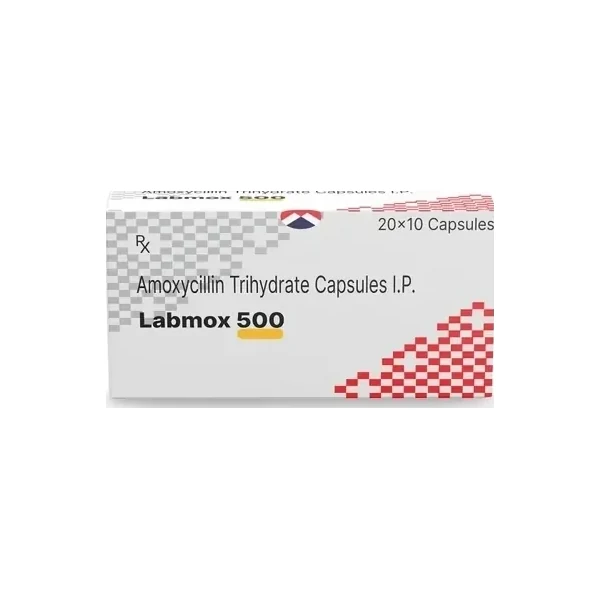
| Amoxicillin | Respiratory, ear, dental, throat, and urinary infections | Prescription |
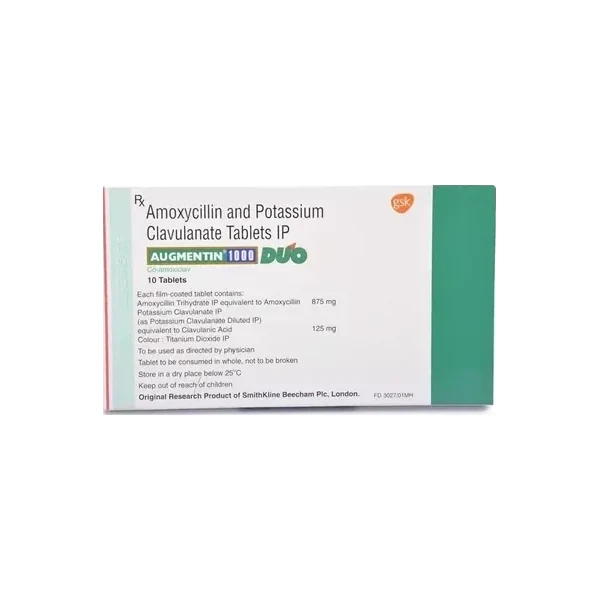
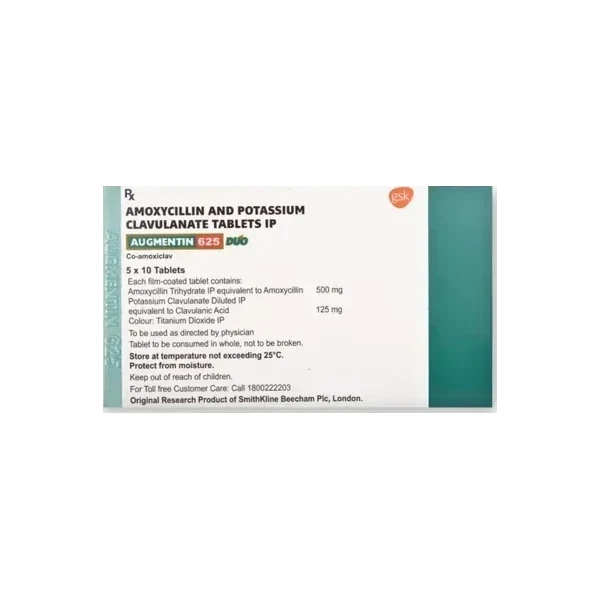
| Amoxicillin + Clavulanate | Respiratory, urinary, dental, and skin infections | Prescription |
| Azithromycin | Respiratory infections, throat infections, and some STIs | Prescription |
| Cefixime | Urinary, respiratory, and throat infections | Prescription |
| Cephalexin | Skin, soft tissue, bone, and urinary infections | Prescription |
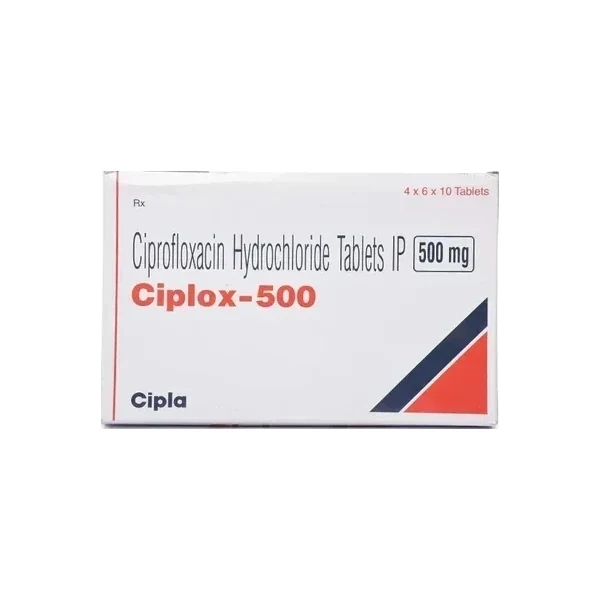
| Ciprofloxacin | Kidney infections, complicated UTIs, and gut infections | Prescription |
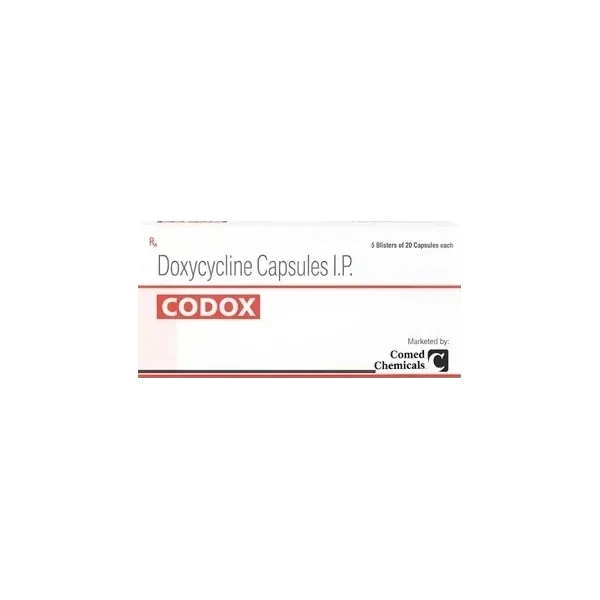
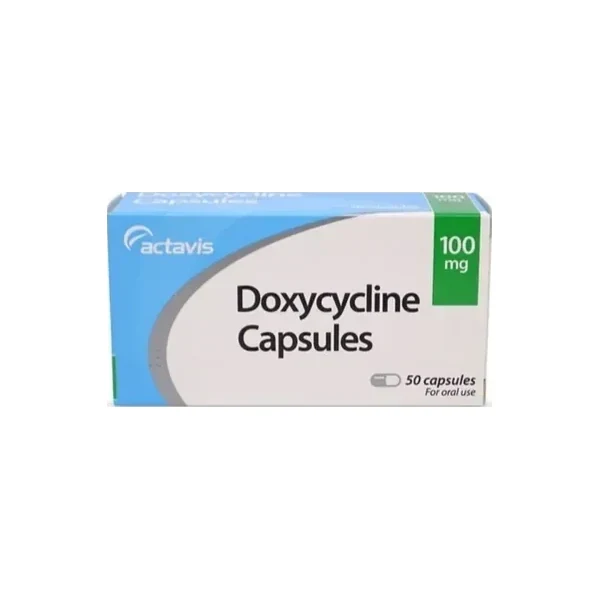
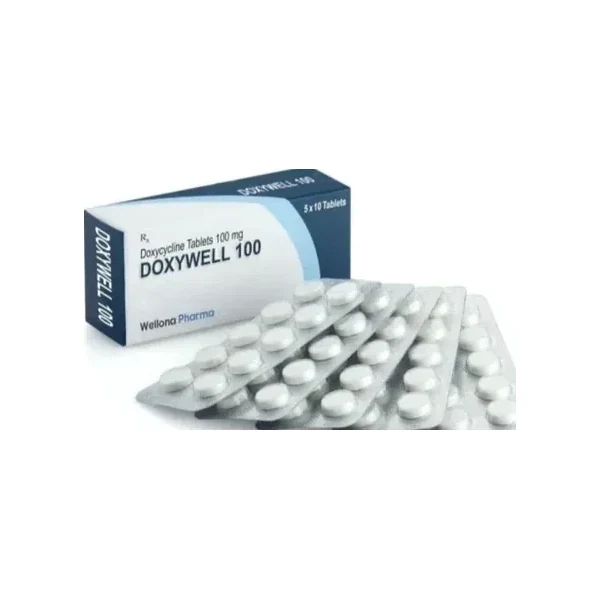
| Doxycycline | Acne, skin infections, STIs, and tick-borne illnesses | Prescription |
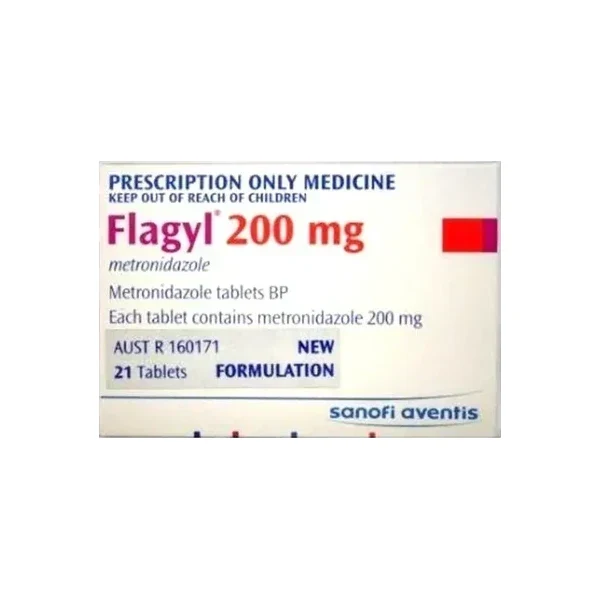
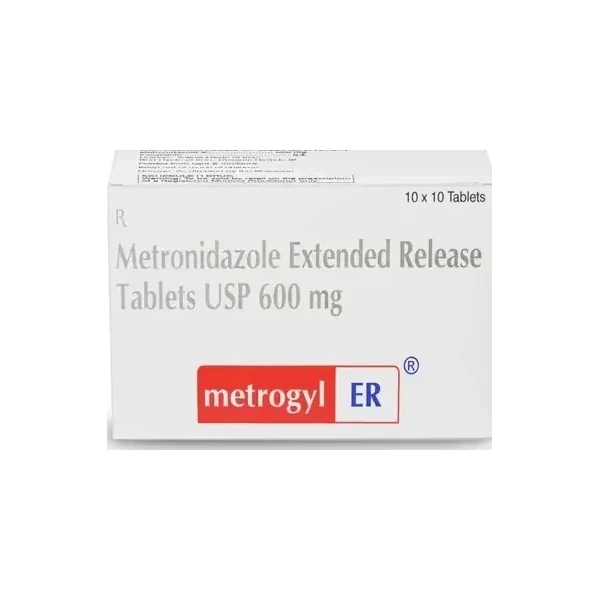
| Metronidazole | Bacterial vaginal, dental, and anaerobic infections | Prescription |
| Levofloxacin | Respiratory, urinary, kidney, and skin infections | Prescription |
Antibiotics fight bacterial infections by targeting processes that bacteria need to survive, grow, or multiply. Some antibiotics kill bacteria directly by damaging their cell wall, while others slow bacterial growth by blocking protein production, DNA replication, or other essential functions. This bacterial growth inhibition helps stop the infection from spreading and gives the immune system time to clear the remaining bacteria. The exact action depends on the antibiotic class and the bacteria causing the infection.
Antibiotics should be used only for bacterial infections and taken exactly as directed by a healthcare professional.
Antibiotic Resistance: Taking antibiotics when they are not needed, skipping doses, or stopping early can increase antibiotic resistance.
Allergy and Medical History: Avoid antibiotics if you have had a severe allergy to that antibiotic family. Use caution with kidney disease, liver disease, heart rhythm problems, pregnancy, or tendon disorders.
Drug Interactions: Some antibiotics can interact with Warfarin, hormonal contraceptives, antacids, calcium, magnesium, iron, zinc, and certain supplements.
Side Effects: Common side effects include nausea, diarrhea, stomach pain, yeast infection, or rash.
Each medicine has its own safety profile, so check the relevant salt page and consult a healthcare professional. For safe-use guidance, refer to the FDA antibiotic information page.
Your doctor prescribes the right antibiotic after checking the suspected bacteria, the infection site, symptoms, age, allergies, kidney function, liver function, and current medications.
As a general guide:
Amoxicillin: Can be used for some ear, nose, throat, dental, or respiratory infections.
Azithromycin: Can be considered for certain respiratory infections or when Penicillin is unsuitable.
Cefixime: Can be prescribed for some Urinary Tract Infections when clinically appropriate.
Never self-select or share antibiotics, as the wrong medicine can delay recovery and increase antibiotic resistance.
No, antibiotics cannot treat viral infections like the common cold, flu, or COVID-19. They work only against bacteria, so taking them for viral symptoms will not help and may increase the risk of antibiotic resistance.
The 7 common types of antibiotics include Penicillins, Cephalosporins, Macrolides, Fluoroquinolones, Tetracyclines, Aminoglycosides, and Sulfonamides. Each class works differently, so doctors choose based on infection type, likely bacteria, and safety factors.
Common side effects of antibiotics include nausea, diarrhea, stomach upset, rash, and yeast infection. These effects may occur because antibiotics can affect beneficial bacteria while targeting harmful bacteria. Severe diarrhea, swelling, or breathing trouble needs urgent medical care.
Completing an antibiotic course helps ensure the infection is properly treated and lowers the risk of antibiotic resistance. Do not stop early unless your doctor tells you, even if your symptoms improve before the prescription ends.
Medical Disclaimer: The product details and health content provided on MyEdKart are for educational and informational purposes only and should not replace professional medical diagnosis or advice. Prescription medications are supplied strictly subject to valid prescription verification and applicable local import regulations. For any assistance, reach us at support@myedkart.com.