 See all Osteoporosis
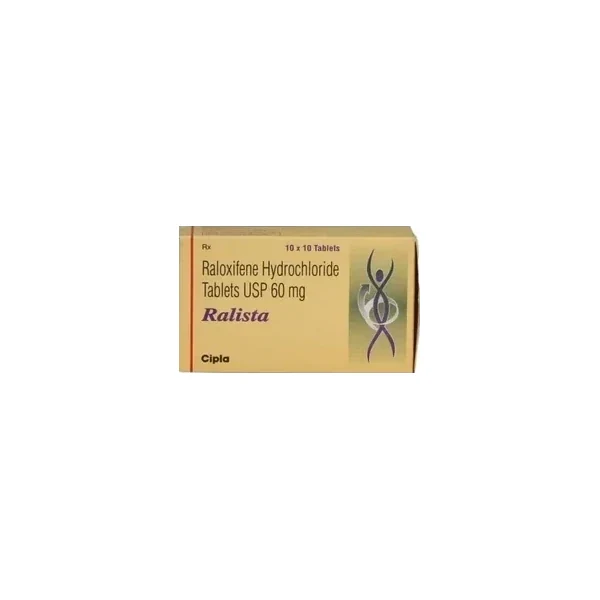
Ralista 60 mg Tablet
Starting at just$41.04
Osteoporosis often develops silently, but the following signs and symptoms could appear as bone strength decreases:
Acquire immediate medical help if you encounter a sudden fracture, significant back pain, or considerable height loss, since these could signal a spinal compression fracture that needs professional diagnosis.
Osteoporosis develops when bones lose density faster than the body can rebuild them. Several physical, psychological or lifestyle factors causing Osteoporosis could increase the likelihood of weak, brittle bones.
Age-related bone loss and low estrogen levels after menopause accelerate bone deterioration. Men with low testosterone are also at risk. Long-term use of steroids, Rheumatoid Arthritis, and eating disorders such as Anorexia all have a negative impact on bone health.
A poor diet lacking calcium and vitamin D weakens bones over time. Smoking damages blood arteries and impairs bone circulation, affecting bone density. Heavy alcohol intake interferes with bone development. A sedentary lifestyle without weight-bearing exercise increases the risk of fracture.
Osteoporosis could indicate underlying hormonal issues and should be evaluated alongside conditions like Diabetes.
Many people first become aware of osteoporosis after a fracture from a minor fall or when a bone density screening identifies low bone strength. A general practitioner can identify risk factors, examine medical history, and arrange for testing such as bone mineral density (DEXA) scans and blood tests.
Referral to a specialist could be needed for complex cases or severe bone loss. Although calcium and vitamin D supplements are available over the counter, prescription medicines require medical evaluation. Reach out to your medical provider to get a proper diagnosis and a tailored treatment plan.
Several effective treatments can delay bone loss, strengthen bones, and minimize the risk of fractures in people with Osteoporosis. The best Osteoporosis treatment depends on age, fracture risk, medical history, and overall bone health and often includes bisphosphonates, anabolic (bone-building) medicines, and hormonal and targeted treatments.
Bisphosphonates delay the degradation of bone tissue. Alendronate, Risedronate, and Ibandronate are frequently used as first-line treatments for Osteoporosis. These medications often begin to improve bone density within 3-6 months of treatment, and the advantages continue over time. Frequently reported adverse effects include stomach discomfort, heartburn, and muscular or joint pain.
Anabolic medications stimulate new bone growth by mimicking the effects of parathyroid hormone. Teriparatide and Abaloparatide are frequently administered to patients with severe Osteoporosis or a significant fracture risk. These injectable medications generally provide measurable results within 6-12 months and can be administered for up to two years. Side effects often include dizziness, nausea, and leg cramps.
Hormonal therapies promote bone density by modulating bone remodeling. Raloxifene is a Selective Estrogen Receptor Modulator (SERM), whereas Denosumab is a targeted medication that slows bone degradation. Benefits often occur in 6-12 months with continued therapy. Fatigue, muscular soreness, and injection site responses are among the possible adverse effects.
Generic medications, especially bisphosphonates, are generally less expensive than brand-name alternatives while providing comparable effectiveness. However, always contact your medical provider before starting any new medicine to guarantee safe and effective outcomes.
Osteoporosis often develops with no evident symptoms, although some warning signals should be evaluated by a healthcare provider. Medical attention is recommended if any of the following occur:
According to Mayoclinic, Osteoporosis weakens bones, leaving them more vulnerable to fractures from mild falls or strains.
Lifestyle habits can support Osteoporosis treatment by helping maintain bone strength, mobility, and overall health. Many people find that:
These practices can complement medical treatment, but they can not replace it. Hence, always consult a doctor before trying any approach.
While Osteoporosis is not always preventable, early detection can help preserve bone strength and minimize fracture risk. According to NIH guidelines, the following strategies could be helpful:
Early detection and management can help prevent bone loss and lower the risk of future fractures.
The following myths about Osteoporosis can delay prevention, diagnosis, and treatment, thereby further worsening the condition:
| Myth | Fact |
|---|---|
| Osteoporosis only affects older women | Osteoporosis can occur at any age; however, the likelihood of getting the condition increases as you get older. (Source) |
| You will always know if you have Osteoporosis | Osteoporosis is commonly called a silent killer due to the possibility of symptomless bone loss. Many people are diagnosed only after a fracture. (Source) |
| Having more milk reduces the risk of Osteoporosis | Although milk can support bone health, adequate vitamin D, exercise, and overall nutrition are also important for Osteoporosis prevention. Having excessive milk does not prevent Osteoporosis. (Source) |
By dispelling these misconceptions, early screening, treatment, and long-term management of bone health can be promoted.
Yes, many people with Osteoporosis live long, active lives by following their treatment plan, maintaining a calcium and vitamin D-rich diet, exercising regularly, and taking steps to prevent falls and fractures.
No, Osteoporosis cannot usually be completely reversed, but it can often be managed effectively. Medications, weight-bearing exercise, and adequate calcium and vitamin D intake can help strengthen bones and slow further bone loss.
Seven superfoods for Osteoporosis include milk, yogurt, cheese, salmon, sardines, kale, and almonds. These foods provide calcium, vitamin D, protein, and other nutrients that support bone health and could help reduce fracture risk.
Yes, osteoporosis is often called a silent disease because it usually develops without noticeable symptoms. Many people remain unaware they have it until a minor fall or injury causes a fracture, commonly affecting the hip, spine, or wrist.
Consult a doctor if you experience a fracture after a minor fall, unexplained loss of height, persistent back pain, or have risk factors such as older age, menopause, or long-term steroid use. Early evaluation can help prevent complications.
Medical Disclaimer: The product details and health content provided on MyEdKart are for educational and informational purposes only and should not replace professional medical diagnosis or advice. Prescription medications are supplied strictly subject to valid prescription verification and applicable local import regulations. For any assistance, reach us at support@myedkart.com.