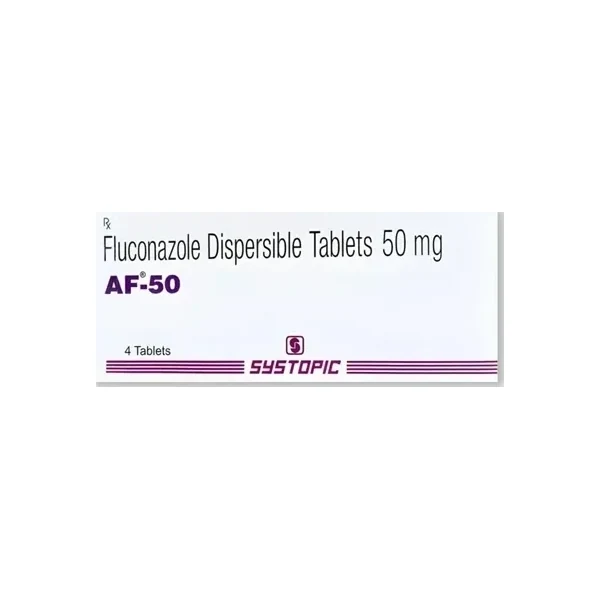
 See all Antifungal
AF 50 Tablet DT
Starting at just$36.50
 See all Antifungal
 See all Antifungal
 See all Antifungal
 See all Antifungal
 See all Antifungal
 See all Antifungal
 See all Antifungal
Antifungal medicines may be prescribed or recommended for fungal infections, including:
Antifungals do not treat bacterial or viral infections and should not be used for colds, flu, or bacterial skin infections.
The table below lists common antifungal agents used to manage topical and systemic fungal diseases. Some topical antifungal creams are available OTC, while oral or injectable antifungal medicines usually require a prescription.
| Salt | Primary Use | Rx / OTC |
|---|---|---|
| Fluconazole | Yeast infection, thrush, systemic Candidiasis | Prescription |
| Clotrimazole | Skin fungal infection, vaginal yeast infection, thrush | OTC / Prescription |
| Ketoconazole | Dandruff and selected skin fungal infections | Prescription / OTC topical |
| Terbinafine | Athlete’s Foot, ringworm, nail fungus | Prescription / OTC topical |
| Itraconazole | Nail fungus and systemic fungal infections | Prescription |
| Miconazole | Yeast infection and skin fungal infection | OTC / Prescription |
| Nystatin | Oral thrush and Candida infections | Prescription |
| Amphotericin B | Severe systemic fungal infections | Prescription |
| Voriconazole | Serious mold and yeast infections | Prescription |
| Caspofungin | Invasive Candida and Aspergillus infections | Prescription |
Antifungal medications target fungal cell structures that differ from those of human cells, helping kill fungi or stop their growth. Many antifungal agents disrupt ergosterol, a key part of the fungal cell membrane. Without sufficient ergosterol, the fungal membrane becomes weak and is unable to protect the cell properly. Some antifungals also damage the fungal cell wall or block fungal reproduction. Topical antifungal creams usually treat skin-level infections, while oral or injectable medicines may be needed for nail, mouth, vaginal, or internal fungal infections.
Antifungals should be used exactly as advised by a healthcare professional or as directed on the product label.
Contraindications: Oral antifungals may not be suitable for people with liver disease, kidney impairment, certain heart conditions, pregnancy concerns, or a history of drug allergy.
Side Effects: Common side effects of antifungal medications may include nausea, abdominal pain, headache, rash, itching, or local irritation with topical creams.
Drug Interactions: Systemic antifungals can interact with blood thinners such as warfarin, statins, seizure medicines, psychiatric medicines, and some HIV medicines.
Salt-Specific Safety: Each antifungal has its own safety profile, so check the individual salt pages and consult a doctor before starting treatment. For updated safety guidance, review information from the FDA.
A doctor or pharmacist should choose the right antifungal medicine based on the infection site, symptoms, test results, age, pregnancy status, medical history, and current medicines.
As a general guide:
Fluconazole: May be prescribed for yeast infection, thrush, or deeper fungal infections.
Terbinafine: Often used for Athlete’s Foot, ringworm, and nail fungus.
Clotrimazole: May be recommended for localized skin or vaginal fungal infections.
Do not self-select oral antifungal medications without medical advice, as dosing and safety monitoring can vary.
Fungi cause them. Fungal infections occur when environmental fungi, such as dermatophytes or yeasts, multiply rapidly on or inside the body. This often happens in warm, moist environments or when a person's immune system or natural microbial balance is temporarily disrupted.
The best antifungal treatment depends on the type, location, and severity of the fungal infection. Skin infections may respond to topical creams, while nail, mouth, vaginal, or internal infections may need oral prescription antifungal medicine.
Yes, antifungal cream can be used for some yeast infections when the product is meant for that area. Vaginal, penile, and skin yeast infections may need different formulations, so check the label or ask a doctor.
No, antifungals do not directly worsen bacterial infections because they target fungal cells. However, misusing them for a bacterial issue delays correct treatment. Additionally, unlike broad-spectrum antibiotics, antifungal medications do not kill good bacteria.
No, antifungal medication targets fungi, not bacteria. However, some infections occur after antibiotics disturb normal bacteria, so a doctor may check whether symptoms are fungal, bacterial, or mixed before treatment.
Medical Disclaimer: The product details and health content provided on MyEdKart are for educational and informational purposes only and should not replace professional medical diagnosis or advice. Prescription medications are supplied strictly subject to valid prescription verification and applicable local import regulations. For any assistance, reach us at support@myedkart.com.