 See all Acne & Skin Care
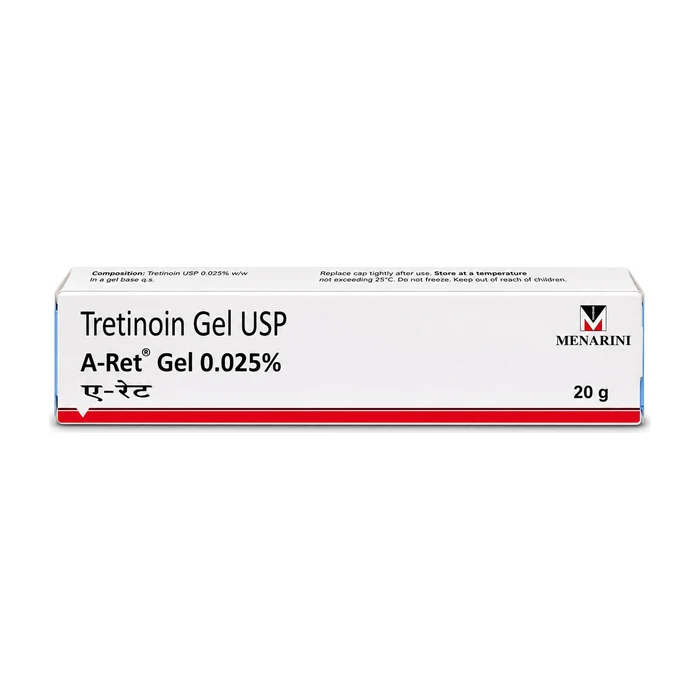
A Ret 0.025% Gel (20 g)
Starting at just$13.50
 See all Acne & Skin Care
 See all Acne & Skin Care
 See all Acne & Skin Care
 See all Acne & Skin Care
 See all Acne & Skin Care
 See all Acne & Skin Care
 See all Acne & Skin Care
 See all Acne & Skin Care
 See all Acne & Skin Care
 See all Acne & Skin Care
 See all Acne & Skin Care
 See all Acne & Skin Care
 See all Acne & Skin Care
 See all Acne & Skin Care
 See all Acne & Skin Care
 See all Acne & Skin Care
 See all Acne & Skin Care
 See all Acne & Skin Care
 See all Acne & Skin Care
 See all Acne & Skin Care
 See all Acne & Skin Care
 See all Acne & Skin Care
 See all Acne & Skin Care
 See all Acne & Skin Care
 See all Acne & Skin Care
 See all Acne & Skin Care
 See all Acne & Skin Care
 See all Acne & Skin Care
 See all Acne & Skin Care
 See all Acne & Skin Care
 See all Acne & Skin Care
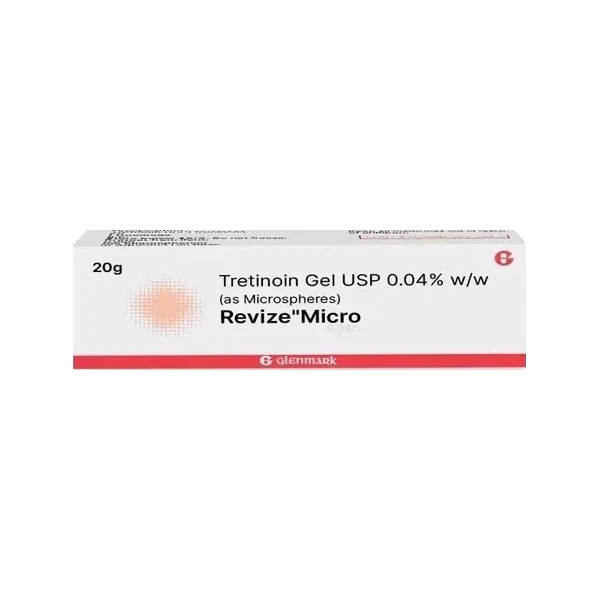 See all Acne & Skin Care
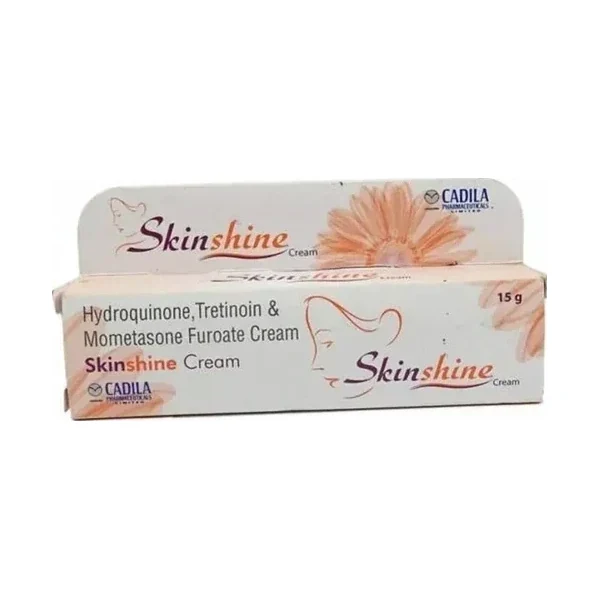 See all Acne & Skin Care
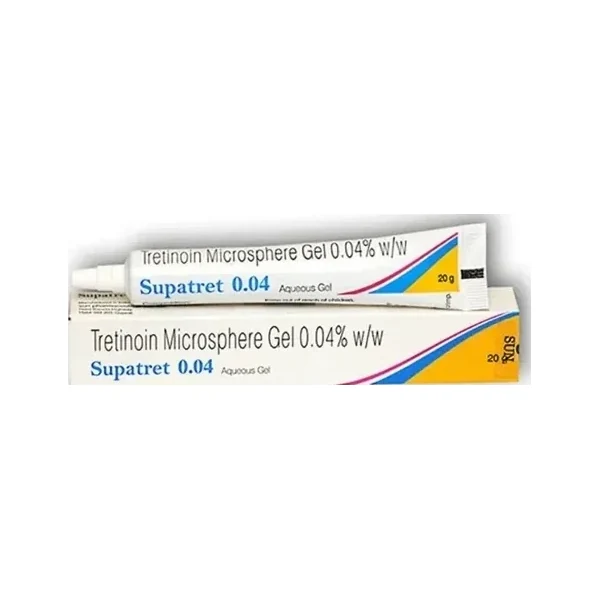 See all Acne & Skin Care
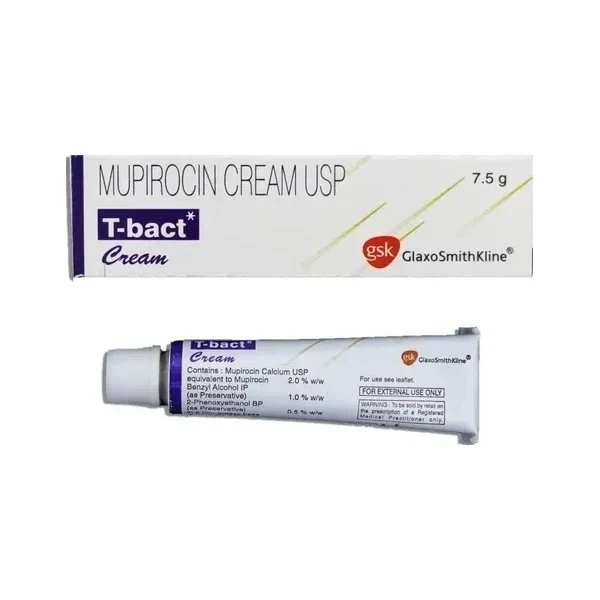 See all Acne & Skin Care
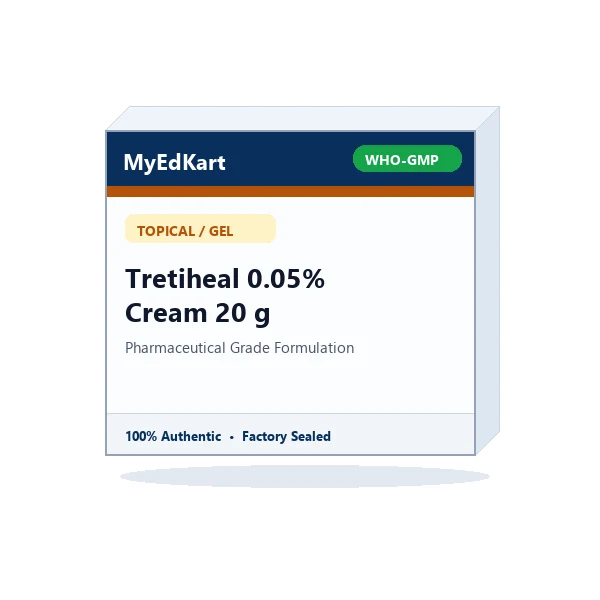 See all Acne & Skin Care
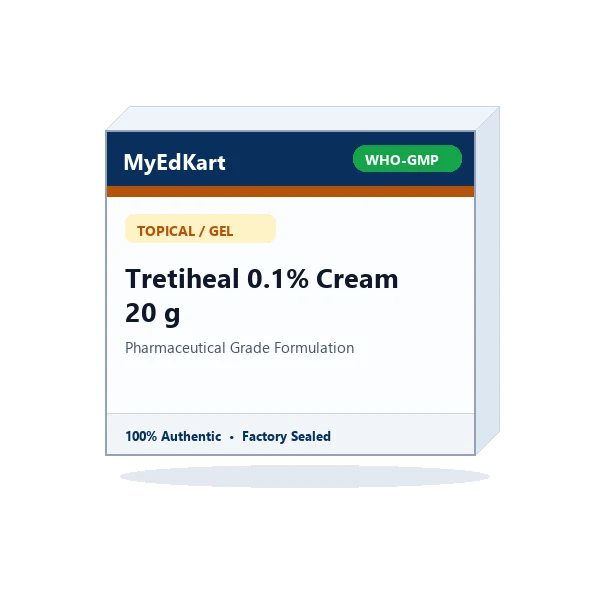 See all Acne & Skin Care
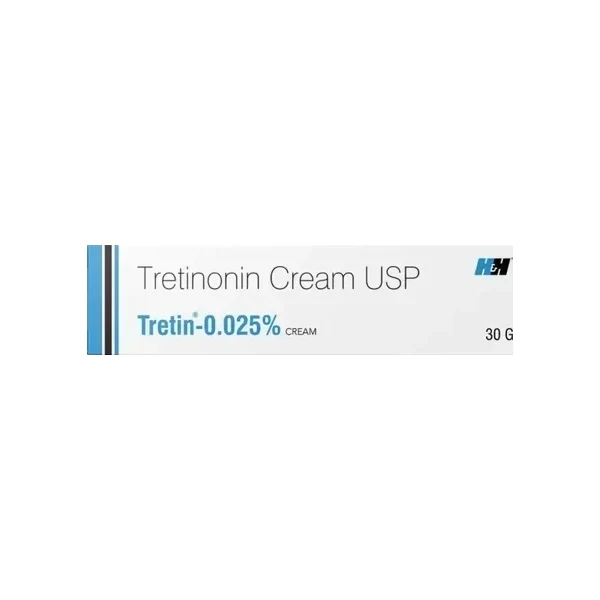 See all Acne & Skin Care
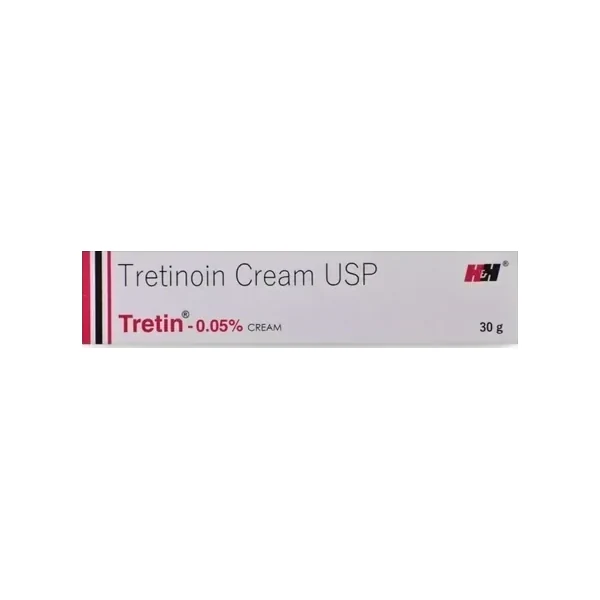 See all Acne & Skin Care
 See all Acne & Skin Care
Acne symptoms can vary by type, severity, and inflammation level. Common signs include:
Seek specialist care if Acne becomes deep, painful, widespread, leaves scars, or does not improve with standard treatment.
Acne can develop due to oil buildup, clogged pores, bacteria, inflammation, hormones, and lifestyle triggers. Identifying the cause helps choose the right Acne treatment.
Excess sebum can mix with dead skin cells, forming a plug that blocks pores. This allows Cutibacterium Acnes bacteria to grow and trigger inflammation. Hormonal Acne can worsen during puberty, periods, pregnancy, menopause, or other hormone shifts. Some medicines, family history, and oil-based skincare can also increase breakouts.
Stress can worsen inflammatory Acne. A high-glycemic diet, smoking, poor sleep, heavy alcohol use, and low exercise can affect skin health. People with Diabetes or hormonal concerns should discuss recurring Acne with a doctor.
Most people first notice Acne when blackheads, whiteheads, pimples, or painful breakouts keep returning. A GP or dermatologist can diagnose Acne Vulgaris through a skin exam and medical history review. Blood tests can follow if Polycystic Ovary Syndrome (PCOS) or a hormonal imbalance is suspected. Mild Acne can improve with OTC treatment, while moderate, cystic, hormonal, or scarring Acne needs prescription care. Speak with a doctor before starting targeted treatment.
Acne treatment depends on the Acne’s type, severity, inflammation level, and scarring risk. Medicines are usually grouped by how they work, and some people need a combination plan.
Benzoyl Peroxide reduces Acne-causing bacteria and inflammation. It is often used for red pimples and inflammatory Acne and can show improvement in 4 to 6 weeks. Salicylic Acid helps remove dead skin cells inside pores, making it useful for blackheads, whiteheads, and comedonal Acne. Side effects can include dryness, peeling, and mild burning.
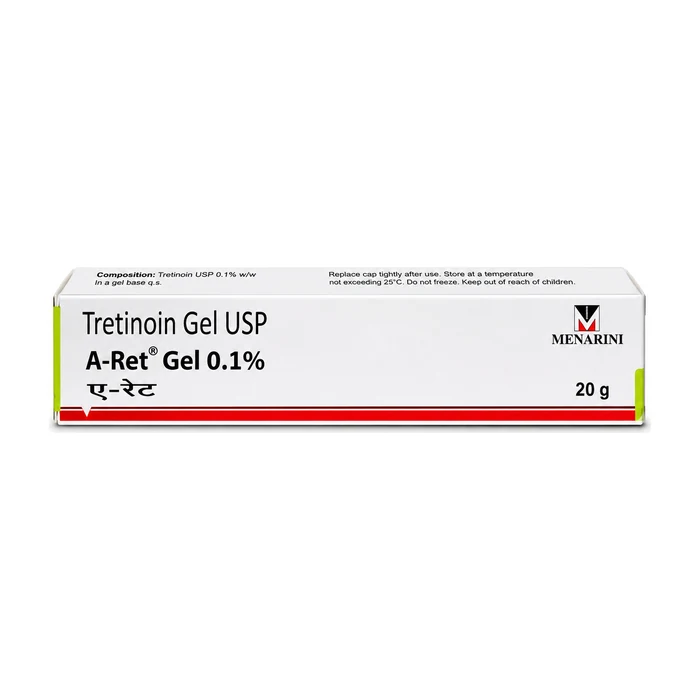
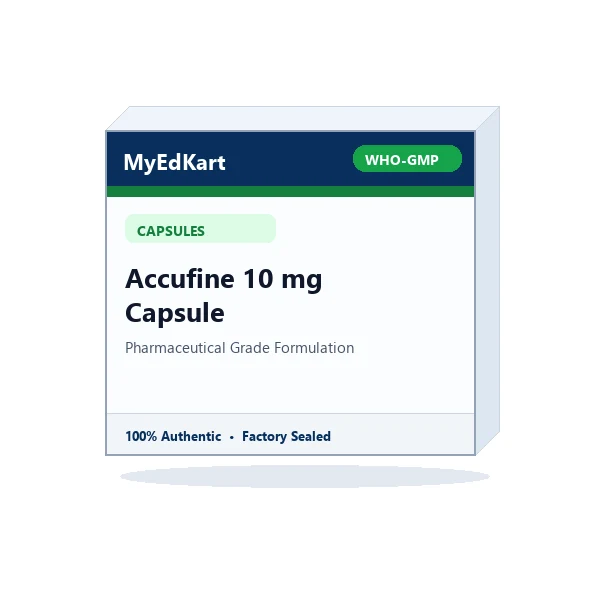
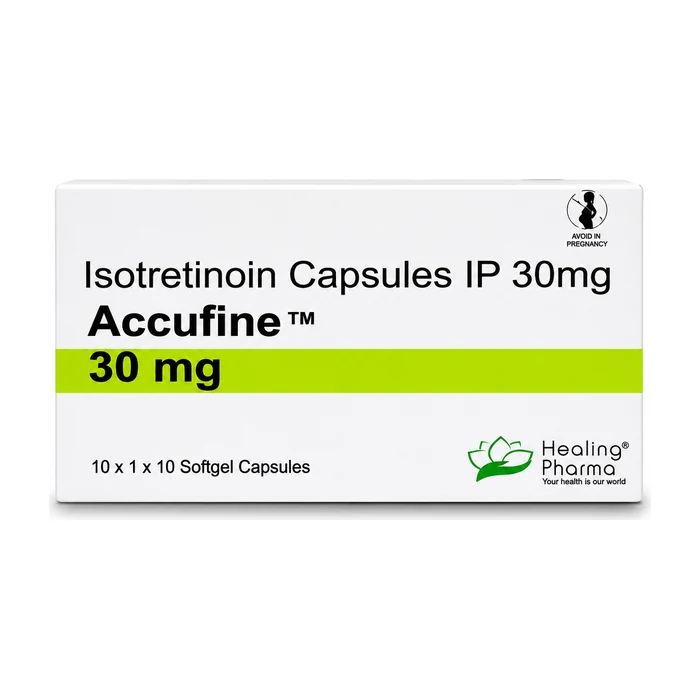
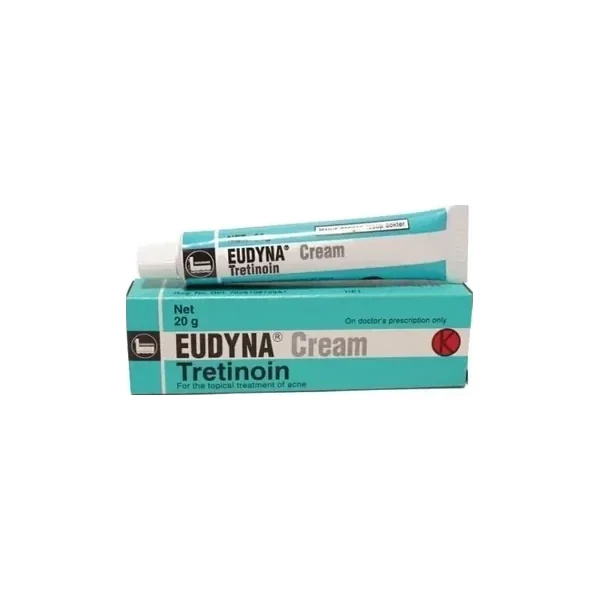
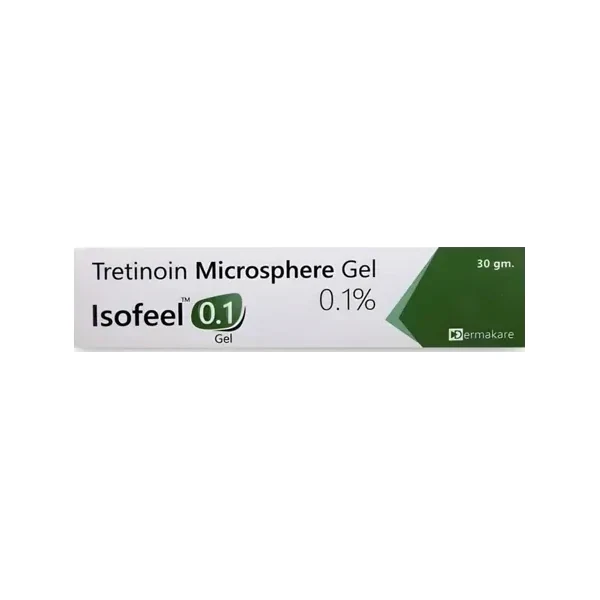
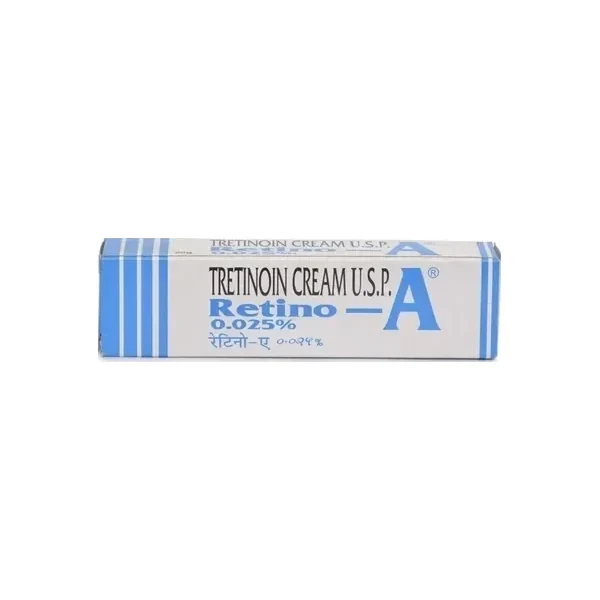
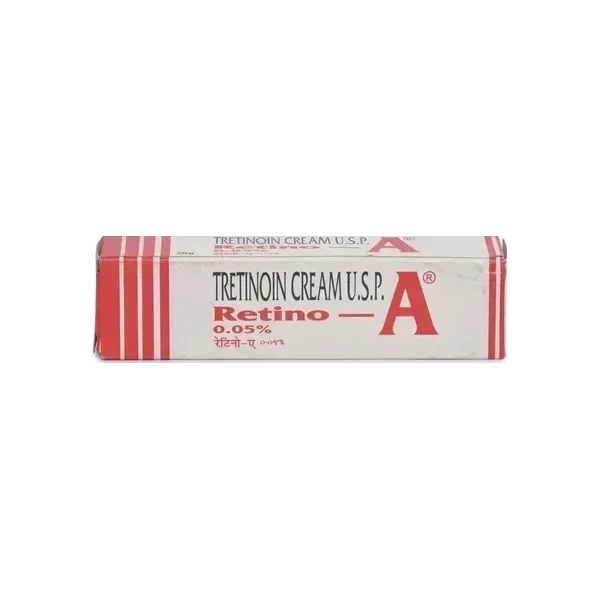
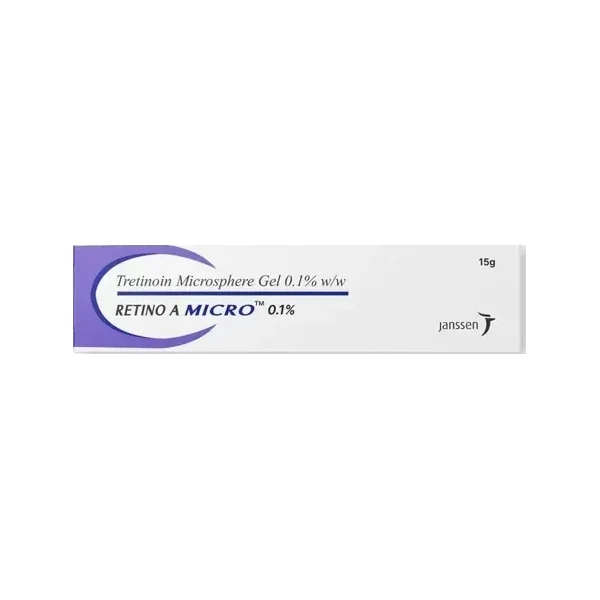
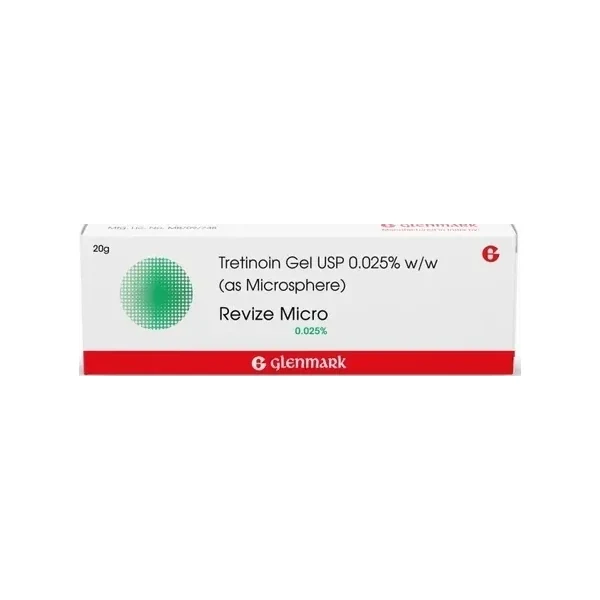
Adapalene and Tretinoin are Vitamin A-based topical retinoids that help keep pores clear. They usually take 8 to 12 weeks and can cause redness, dryness, or sun sensitivity. Isotretinoin is an oral retinoid used for severe Cystic Acne or scarring Acne under strict medical supervision especially for women.
Doxycycline and Minocycline lower bacteria and inflammation in moderate to severe Acne. Hormonal therapies can help when breakouts are hormone-related.
Generic Acne medication can cost less than brand-name options. Always consult your doctor before starting any new Acne medication.
Mild Acne can often improve with OTC products, but persistent, painful, or scarring breakouts need medical review. See a doctor if you have:
According to Mayo Clinic, early Acne treatment can help prevent permanent scarring.
Daily skincare can support Acne treatment, but should not replace prescribed medicine. Many people find that gentle, consistent habits help reduce irritation:
These steps support oily skin and recurring pimples, but they do not replace targeted Acne medication, especially when breakouts occur with related Obesity, insulin resistance, or hormonal concerns.
Acne cannot always be fully prevented because genetics and hormones also play a role. Mayo Clinic notes that mild or moderate Acne can be avoided or controlled with nonprescription products, good basic skincare, and self-care techniques.
Early care can reduce flare-ups and long-term Acne scars.
Acne myths can delay proper care, worsen irritation, and increase scarring risk.
| Myth | Fact |
|---|---|
| A dirty face or poor hygiene causes Acne. | Acne is mainly linked to oil, clogged pores, bacteria, inflammation, and hormones. Over-scrubbing can irritate the skin and worsen breakouts. [Source: NIH] |
| Popping pimples helps them heal faster. | Squeezing pimples can push inflammation deeper into the skin. It can slow down healing and increase the risk of Acne scars. [Source: AAD] |
| Oily skin does not need moisturizer. | Oily skin still needs hydration. A light, oil-free, non-comedogenic moisturizer can protect the skin barrier without clogging pores. [Source: Mayo Clinic] |
| Generic Acne medications do not work as well as expensive brands. | FDA-approved generics meet the same quality and bioequivalence standards as brand-name medicines. They offer the same active ingredient or salt at a lower cost. [Source: FDA] |
Acne is a broader skin condition, while pimples are one possible sign of it. Pimples are individual inflamed bumps, but Acne can also include clogged pores, cysts, dark marks, and scars. Occasional pimples do not always mean chronic Acne Vulgaris.
Yes, Acne can go away on its own in some mild cases, especially when triggers are temporary. However, recurring, painful, or scarring Acne often needs treatment. Waiting too long can allow deeper inflammation, dark marks, and permanent scars to develop.
Acne scars can often be improved, but they can not disappear completely with creams alone. Dermatologists can recommend chemical peels, microneedling, lasers, or prescription treatments, depending on the scar's depth and skin type. Early Acne control helps reduce new scarring.
Acne tablet alternatives can include topical gels, creams, cleansers, retinoids, or dermatologist-guided procedures. These options can be more affordable for mild Acne. However, deep, cystic, hormonal, or scarring Acne can still need prescription treatment after medical review.
Acne treatment often takes 6 to 12 weeks to show clear improvement. Surface breakouts can respond sooner than deep or hormonal Acne. If there is no progress after consistent use, a doctor can adjust the strength, the type of medicine, or the treatment plan.
You should see a dermatologist for Acne when breakouts are painful, deep, sudden, scarring, or not improving with OTC care. Medical review is also important when Acne appears with irregular periods, excess facial hair, severe redness, or emotional distress.
Medical Disclaimer: The product details and health content provided on MyEdKart are for educational and informational purposes only and should not replace professional medical diagnosis or advice. Prescription medications are supplied strictly subject to valid prescription verification and applicable local import regulations. For any assistance, reach us at support@myedkart.com.