1. Description of Bactrim DS
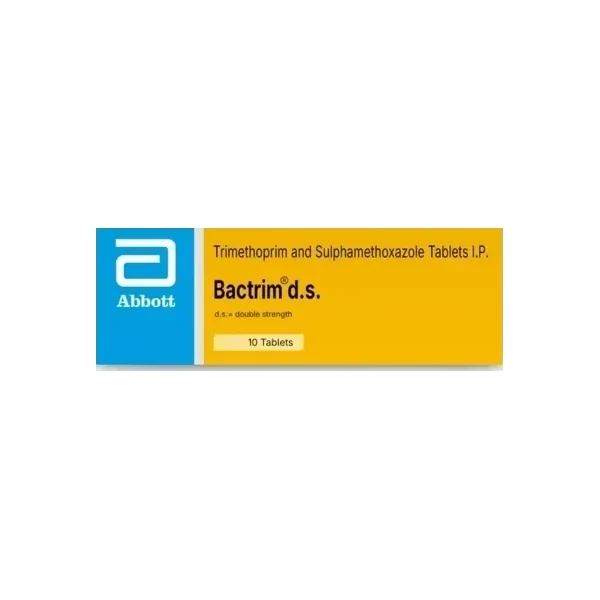
Bactrim DS Tablet is a combination antibiotic medication containing Sulfamethoxazole and Trimethoprim, which belong to the drug class of Sulfonamides. This combination works synergistically to inhibit bacterial growth by blocking the synthesis of essential folate compounds necessary for bacterial survival.
Sulfamethoxazole is a sulfonamide antibiotic that inhibits bacterial folic acid synthesis, while Trimethoprim blocks a specific enzyme involved in the same pathway. Trimethoprim restricts Dihydrofolate reductase, preventing the formation of Tetrahydrofolate, while Sulfamethoxazole restricts dihydropteroate synthase, blocking the production of dihydrofolate. Together, they create a potent effect that enhances bacterial eradication compared to using either drug alone.
Patients are advised to take Bactrim DS as prescribed, usually one tablet every 12 hours for a specified duration, depending on the infection being treated.
Precautions are necessary when using Bactrim DS. Due to potential risks, it is generally not recommended for use in pregnant or breastfeeding women and children under 12 years.
Patients must mention any current allergies, medical conditions, or medications to their healthcare provider to prevent adverse effects. Common adverse effects include rash, nausea, vomiting, and increased sensitivity to sunlight.
Negative interactions can occur with other medications, particularly those that affect kidney function or blood cell counts. For instance, Bactrim can enhance the effects of anticoagulants like warfarin, leading to increased bleeding risk. It may also interact with medications for diabetes and certain diuretics, potentially causing elevated potassium levels or hypoglycemia.
This medication is manufactured and marketed by Abbott Healthcare Pvt Ltd.
If you miss a Bactrim dose, take the next dose as scheduled. Do not double the number of tablets to compensate for the missed dose. Continue with your regular dosing schedule.
Bactrim (Sulfamethoxazole and Trimethoprim) interacts with several drugs, including warfarin, which may increase bleeding risk, and diabetes medications like metformin, which can potentially cause low blood sugar. Other notable interactions involve phenytoin, cyclosporine, and ACE inhibitors, requiring careful monitoring and should be informed to the healthcare provider.
2. How Bactrim DS Works
Bactrim DS Tablet combines Sulfamethoxazole and Trimethoprim, making it a useful antibiotic for various bacterial infections. One of the primary benefits of using Bactrim DS is its broad spectrum of activity against different types of bacteria, which allows it to effectively treat conditions such as UTIs, ear infections, and certain types of pneumonia.
It also effectively treats bacterial infections affecting the respiratory tract, skin, and certain parasitic infections, like toxoplasmosis. It also helps with acute exacerbations of chronic bronchitis, shigellosis, and pneumocystis pneumonia.
The general guidelines for taking this medication are listed below:
- Take Bactrim DS Tablet as prescribed by your doctor.
- Swallow a whole tablet with a glass of water without crushing, breaking, or chewing it.
- Generally taken once daily during bedtime after food.
- Bactrim DS Tablet can be taken with or without food, but for optimal effectiveness, it is essential to take it consistently at the same time each day.
3. Mechanism of Action
At the cellular and biochemical level, Sulfamethoxazole / Trimethoprim interacts selectively with specific physiological receptors and enzymatic pathways responsible for regulating targeted therapeutic pathways.
By modulating these targeted pathways, Bactrim DS restores balanced physiological response without unnecessary systemic burden when taken at the physician-recommended dose.
4. Dosage and Administration of Bactrim DS
4.1 Recommended Dosage
The standard medical recommendation for Bactrim DS Tablet is tailored according to patient tolerance, therapeutic response, and clinical evaluation. Always adhere to professional healthcare provider recommendations to minimize adverse events.
4.2 How to Take
- Swallow the tablet or capsule whole with a full glass of plain water.
- Can be taken with or without food, unless advised otherwise by your doctor.
- Avoid heavy, high-fat meals immediately prior to consumption for optimal absorption.
- Do not crush, chew, or split the tablet unless specifically designed as chewable or dispersible.
4.3 When to Take
Take Bactrim DS strictly according to the schedule prescribed by your healthcare provider. Do not exceed more than one prescribed dose within a 24-hour window.
4.4 Who Can Use
✔ Suitable For:
- Adult patients diagnosed with conditions requiring Sulfamethoxazole / Trimethoprim.
- Individuals evaluated by a licensed healthcare provider for Antibiotics therapy.
- Patients with verified tolerance to the prescribed strength.
✖ Not Suitable For:
- Individuals with known hypersensitivity or allergy to Sulfamethoxazole / Trimethoprim.
- Patients taking contraindicated or interacting therapies without physician approval.
- Patients with unstable cardiovascular, severe hepatic, or renal conditions unless cleared by a specialist.
- Pediatric patients under 18 years unless explicitly prescribed.
5. Side Effects and Warnings
While Bactrim DS is clinically evaluated and well-tolerated, systemic physiological responses may vary:
The side effects of using Bactrim DS Tablet are as follows:
- Nausea or vomiting
- Loss of appetite
- Diarrhea or upset stomach
- Skin rash or itching
- Headache
Like any medication, Bactrim DS Tablet may cause some side effects. These adverse effects are temporary and will subside as your body adjusts.
6. Precautions & Drug Interactions
Liver disease
Bactrim DS Tablet has not been shown to have adverse effects in patients with liver conditions, so it is safe for use. Seeking medical advice from professionals is advised.
Kidney impairment
People with kidney problems can use these tablets, as they have no known effects on kidney function. However, it is recommended that they seek medical advice from professionals.
Pregnant and breastfeeding women
Limited data on its safety during pregnancy exist. However, it is recommended that this medication not be used during pregnancy. It is also not recommended to use this medication for breastfeeding women.
Avoid
Avoid consuming alcohol while taking Bactrim DS tablets, as it might show some adverse side effects and might impact the effectiveness of the medicine.
7. Storage and Handling
Store Bactrim DS Tablet blister packs at controlled room temperature between 15°C to 30°C (59°F to 86°F). Keep protected from excessive heat, bathroom moisture, and direct sunlight. Retain in original factory packaging until consumption and keep strictly out of reach of children and pets.
8. Frequently Asked Questions (FAQs)
Q: What is the active ingredient in Bactrim DS?
A: Bactrim DS is formulated with Sulfamethoxazole / Trimethoprim as its active pharmaceutical ingredient and is manufactured in WHO-GMP certified pharmaceutical facilities.
Q: How should I store Bactrim DS safely?
A: Keep the medicine in its original moisture-resistant blister pack at room temperature (15°C–30°C), away from direct sunlight and out of reach of children.
Q: Can I order Bactrim DS with discreet international shipping?
A: Yes. MyEdKart ships all orders in plain, tamper-evident packaging with live tracking numbers provided upon dispatch.
Q: Is Bactrim DS Tablet an antibiotic?
A: Yes, even if you are allergic to penicillin, you can generally take Bactrim DS, as it belongs to the Sulfonamide class of antibiotics and is not chemically related to penicillin. However, consult your healthcare provider before use to ensure safety.
Q: Can Bactrim make you feel tired?
A: Yes, Bactrim can make you feel tired. Fatigue is a reported side effect, along with nausea and headache. If you experience persistent tiredness or other troubling symptoms, seek additional help and advice from your medical professional.
Q: What happens if I take too much or overdose on Bactrim DS Tablet?
A: In case of an overdose of Bactrim, it is unlikely to cause any type of serious side effects. However, if you experience any concerning symptoms, such as vomiting or Hematuria (blood in urine), contact a healthcare professional or the nearest hospital immediately. However, it is recommended to avoid using more than the prescribed amount.