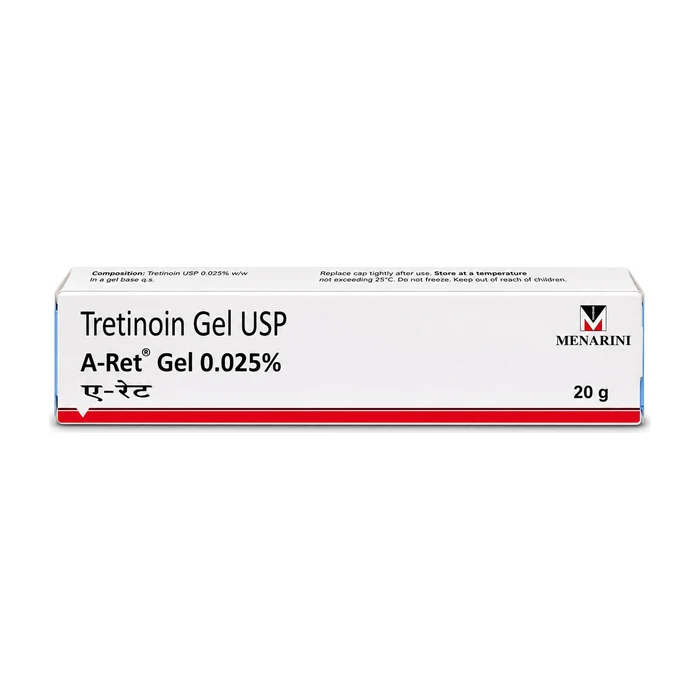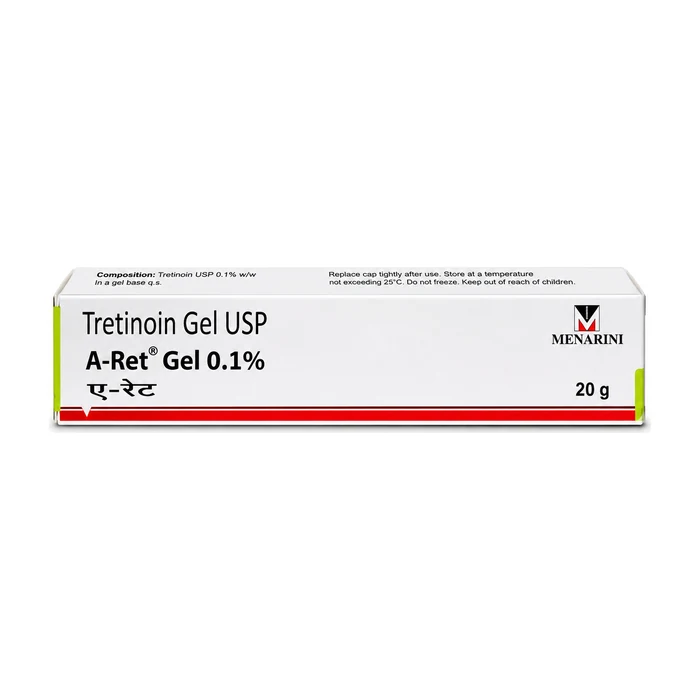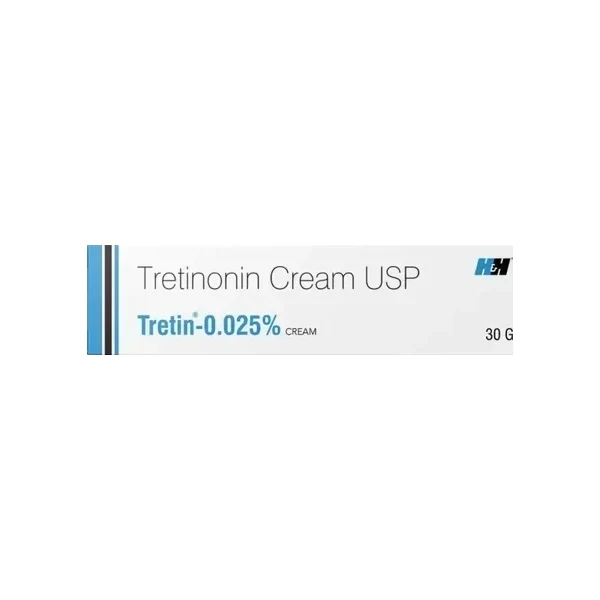
1. Description of Tretin 0.025%
Tretin 0.025 cream is a prescription topical medication used primarily to treat acne and certain skin conditions associated with sun damage. The active ingredient is Tretinoin (0.025% w/w), an FDA-approved retinoid (vitamin A derivative). It is manufactured by Hegde and Hegde Pharmaceutical LLP. in a GMP-compliant facility.
Tretinoin works by boosting skin cell turnover, inhibiting the production of new acne lesions, and accelerating the shedding of dead cells of the skin, which can clog pores. It also enhances collagen production, which helps reduce fine wrinkles, uneven skin texture, and some forms of hyperpigmentation. The cream is mainly prescribed for Acne Vulgaris, blackheads and whiteheads, sun-damaged skin, and fine lines and rough skin texture.
Apply the prescribed amount once daily, preferably at bedtime, to clean and completely dry skin. Do not apply more than the recommended amount, as this may increase irritation without improving results. Avoid contact with the eyes, lips, nostrils, and broken skin.
If you miss a dose, apply it when you remember. If it is almost time for the next application, skip the missed dose and continue the regular schedule. Excessive application could result in severe redness, peeling, irritation, or burning. Wash off excess cream and consult a healthcare provider immediately if symptoms persist or turn severe.
Frequently reported side effects include dryness, redness, peeling, mild burning or stinging, and increased sensitivity to sunlight. Get medical attention if you develop severe swelling, blistering, intense irritation, or signs of an allergic reaction.
This Tretinoin should not be used by individuals with known hypersensitivity to Tretinoin, vitamin A derivatives, or any component of the formulation. It should not be applied to sunburned, eczema-affected, severely irritated, photosensitive, or damaged skin.
Use sunscreen during the day, as Tretinoin can enhance sun sensitivity. Use the cream cautiously after consulting a doctor with alcohol-containing products, benzoyl peroxide, salicylic acid, and other topical acne treatments. Store below 25°C in a cool, dry place away from direct sunlight and moisture.
Tretin 0.025 cream contains the same FDA-approved active ingredient, Tretinoin, found in the original brand-name product Retin-A. Both work through the same mechanism, binding to retinoic acid receptors in skin cells to speed up cell turnover and support collagen production. Generic topical Tretinoin products must meet the same quality and performance standards as Retin-A before they can be approved for use.
Retin-A is manufactured by Ortho Dermatologics, while Tretin is produced by Hegde and Hegde Pharmaceutical LLP in a GMP-compliant facility. The main differences typically lie in the manufacturer, tube packaging, and inactive ingredients, rather than the active drug itself. Tretin offers an affordable alternative to Retin-A while delivering comparable results when used as directed. Always consult a dermatologist before switching between generic and brand-name Tretinoin products.
Tretin 0.025% cream is primarily prescribed to treat acne by unclogging pores and accelerating skin cell renewal. It could also help improve skin texture, reduce fine lines, and minimize signs of sun damage when used consistently.
Tretinoin in Tretin cream accelerates the shedding of old skin cells, revealing newer skin beneath. This fresh skin is more sensitive to ultraviolet rays, increasing the risk of sunburn. Regular sunscreen use and sun protection are recommended during treatment.
Tretin 0.025 cream could help fade dark spots caused by acne, sun exposure, or post-inflammatory hyperpigmentation. It ed speeds up skin renewal and encourages the replacement of pigmented cells with newer, healthier skin.
2. How Tretin 0.025% Works
Tretin cream contains Tretinoin, a vitamin A derivative that binds to retinoic acid receptors in skin cells, increasing skin cell turnover. This, in turn, promotes the shedding of old, damaged cells and triggers the production of new ones.
When used as directed, Tretin cream offers the following benefits:
- Helps to prevent pore congestion by minimizing the buildup of dead skin cells and excess oil.
- Increases collagen production, improving skin texture and encouraging better skin renewal over time.
- Consistent use helps maintain smoother, clearer, and more evenly toned skin.
Tretin 0.025 cream does not produce a quick or visible effect the way oral medicines do, since it works at the cellular level over time. Early skin changes, such as slight peeling or texture shifts, may appear within 2 to 4 weeks of consistent nightly use. Noticeable improvement in acne, texture, and tone typically takes 8 to 12 weeks of continued application.
Applying it to clean, dry skin helps the cream absorb properly, while inconsistent use or skipping applications can delay results. Individual response varies based on skin type, acne severity, and how well the skin tolerates the retinoid. Consult a healthcare professional for personalized guidance on timing.
To get the desired results, use this anti-acne skincare product as directed by your doctor. Some common usage instructions include;
- Use the cream at the same time each day, preferably at bedtime.
- Clean the affected skin region with a mild cleanser and pat the skin dry completely. Apply the prescribed quantity of Tretin 0.025% cream to the affected area.
- Prevent contact with the eyes, mouth, and broken skin.
- Apply the prescribed amount once a day, or as suggested by a medical provider.
3. Mechanism of Action
At the cellular and biochemical level, Tretinoin interacts selectively with specific physiological receptors and enzymatic pathways responsible for regulating targeted therapeutic pathways.
By modulating these targeted pathways, Tretin 0.025% restores balanced physiological response without unnecessary systemic burden when taken at the physician-recommended dose.
4. Dosage and Administration of Tretin 0.025%
4.1 Recommended Dosage
The standard medical recommendation for Tretin 0.025% Cream is tailored according to patient tolerance, therapeutic response, and clinical evaluation. Always adhere to professional healthcare provider recommendations to minimize adverse events.
4.2 How to Take
- Use strictly on the affected area or as directed by your ophthalmologist/physician.
- Wash and dry your hands thoroughly before and after each application.
- Avoid contact with eyes, mouth, or broken skin unless specifically formulated for ophthalmic use.
4.3 When to Take
Apply at evenly spaced intervals as prescribed on your medication label. Do not apply extra quantities to make up for a missed dose.
4.4 Who Can Use
✔ Suitable For:
- Adult patients diagnosed with conditions requiring Tretinoin.
- Individuals evaluated by a licensed healthcare provider for Acne & Skin Care therapy.
- Patients with verified tolerance to the prescribed strength.
✖ Not Suitable For:
- Individuals with known hypersensitivity or allergy to Tretinoin.
- Patients taking contraindicated or interacting therapies without physician approval.
- Patients with unstable cardiovascular, severe hepatic, or renal conditions unless cleared by a specialist.
- Pediatric patients under 18 years unless explicitly prescribed.
5. Side Effects and Warnings
While Tretin 0.025% is clinically evaluated and well-tolerated, systemic physiological responses may vary:
Common adverse effects of this acne treatment cream include:
- Rash
- Diarrhea
- Dizziness
- Agitation
- Dry skin
These reactions are usually mild and often improve as your body gets used to the medication. Consult your doctor if they continue or become more severe.
6. Precautions & Drug Interactions
Liver Disease
Tretin cream is applied topically and has minimal absorption into the bloodstream, making liver-related effects unlikely. However, patients with severe liver disease should use it under medical supervision and report any unusual skin reactions or worsening symptoms.
Kidney Impairment
Patients with kidney issues can use this retinoid cream if prescribed by a doctor. Topical Tretinoin has no or very minimal absorption into the circulation, and kidney excretion is negligible; no major dose modifications are usually required. However, patients with severe kidney impairment should contact their doctor before using this medication, especially if applying it over large areas.
Pregnant and Breastfeeding women
Tretin is generally not recommended during pregnancy due to the potential risk of birth defects, even with topical use. Avoid use while breastfeeding, too, as safety isn't well established. Consult a doctor for safer alternatives during this period.
Avoid
There is no known direct interaction between alcohol and Tretin cream. However, excessive alcohol use should be avoided, as it can lead to dehydration and skin irritation. This, in turn, could worsen redness, dryness, peeling, or sensitivity associated with Tretinoin treatment.
7. Storage and Handling
Store Tretin 0.025% Cream blister packs at controlled room temperature between 15°C to 30°C (59°F to 86°F). Keep protected from excessive heat, bathroom moisture, and direct sunlight. Retain in original factory packaging until consumption and keep strictly out of reach of children and pets.
8. Frequently Asked Questions (FAQs)
Q: What is the active ingredient in Tretin 0.025%?
A: Tretin 0.025% is formulated with Tretinoin as its active pharmaceutical ingredient and is manufactured in WHO-GMP certified pharmaceutical facilities.
Q: How should I store Tretin 0.025% safely?
A: Keep the medicine in its original moisture-resistant blister pack at room temperature (15°C–30°C), away from direct sunlight and out of reach of children.
Q: Can I order Tretin 0.025% with discreet international shipping?
A: Yes. MyEdKart ships all orders in plain, tamper-evident packaging with live tracking numbers provided upon dispatch.
Q: Could Tretin 0.025% cream help improve the appearance of mild acne scars and fine lines over time?
A: Yes, Tretin 0.025% cream could help improve the appearance of mild acne scars and fine lines over time. By triggering collagen production and increasing skin cell turnover, it can promote smoother, more even-looking skin.
Q: Is Tretin 0.025% Cream safe during pregnancy or breastfeeding?
A: No, Tretin 0.025% cCream is generally not recommended during pregnancy or while planning pregnancy unless specifically prescribed by a healthcare professional. Women who are pregnant or trying to conceive should discuss safer treatment alternatives with their doctor.
Q: Can I use Tretin 0.025% cream at night?
A: Yes, you can use Tretin 0.025% cream at night. However, initially Tretin 0.025% is best started 2-3 times weekly to build tolerance, as nightly use can cause irritation or dryness. Once your skin adjusts over several weeks, you can gradually increase frequency to nightly use, under your doctor's guidance.
Q: Is Tretin generally safe when used correctly under medical guidance?
A: Yes, Tretin is generally safe when used correctly under medical guidance. However, it can cause initial side effects like dryness, redness, and peeling. It also significantly increases sun sensitivity, making daily sunscreen application essential.