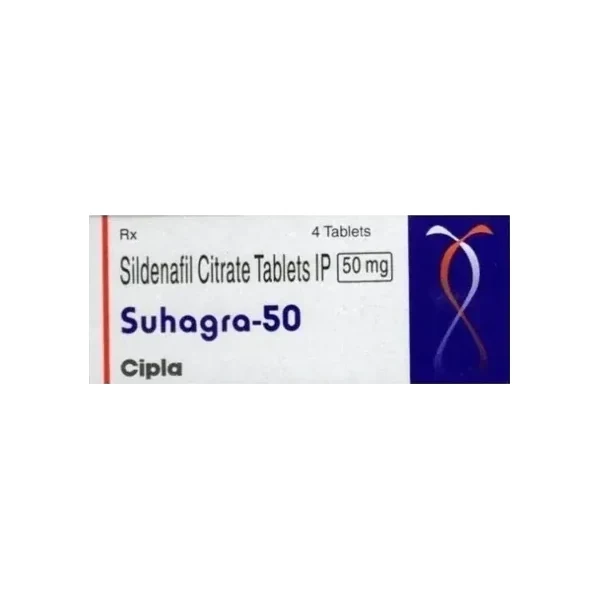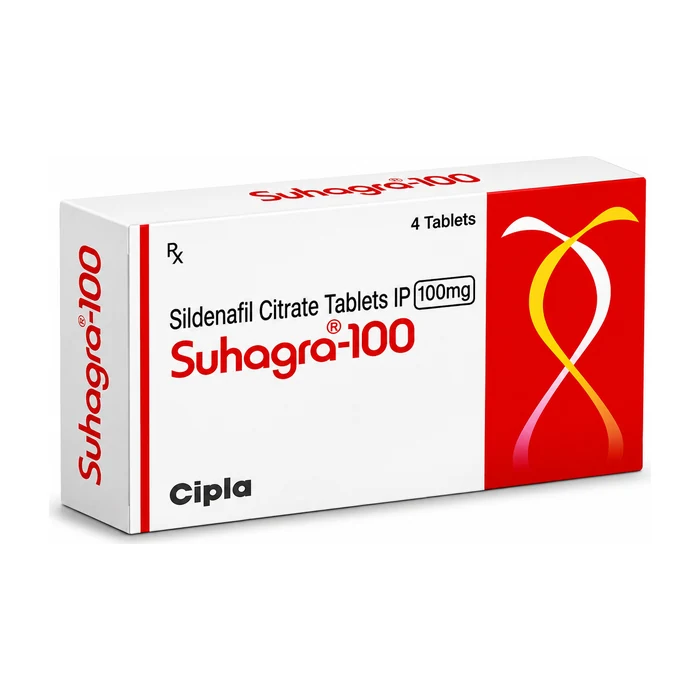
1. Description of Suhagra 100 mg
Suhagra 100 Mg, containing Sildenafil Citrate, is a medicine used in Impotence treatment. It is a Phosphodiesterase type 5 inhibitor used to increase blood flow to the penis.
Cipla exclusively manufactures Suhagra 100 Mg and its other variants.
Avoid medications like Nitrates or Alpha-blockers when consuming Suhagra. They can often result in side effects like fainting or dizziness.
Suhagra is a medicine used to treat ED, and you need a doctor's prescription to buy it. You can buy Suhagra 100Mg online from MyEdKart.
2. How Suhagra 100 mg Works
Suhagra is used in the treatment for Erectile Dysfunction. Sildenafil Citrate tablets work by inhibiting the PDE5 enzyme.
This inhibition boosts the level of Cyclic Guanosine Monophosphate (cGMP), which increases penile blood flow and helps attain and sustain an erection upon receiving sexual stimulation.
It can also help treat Benign Prostatic Hypertrophy (enlarged prostate) and Pulmonary Arterial Hypertension (PAH).
Suhagra 100 Mg helps treat male sexual function problems. Suhagra is a prescription-based medication to be consumed as per instructions provided by your healthcare provider.
The general guidelines for taking Suhagra are:
- Take Suhagra about 60 minutes before planned sexual activity
- Swallow the tablet with water; do not crush, chew, or break it
- It can be taken with or without food, but taking it on an empty stomach may help it work faster
- Do not take more than one tablet within a 24-hour period
Suhagra 100 mg, containing Sildenafil Citrate, can start working within 30 minutes to 60 minutes after consumption.
The effect of Suhagra, containing Sildenafil Citrate, can last upto 4-6 hours.
3. Mechanism of Action
At the cellular and biochemical level, Sildenafil Citrate interacts selectively with specific physiological receptors and enzymatic pathways responsible for regulating targeted therapeutic pathways.
By modulating these targeted pathways, Suhagra 100 mg restores balanced physiological response without unnecessary systemic burden when taken at the physician-recommended dose.
4. Dosage and Administration of Suhagra 100 mg
4.1 Recommended Dosage
The standard medical recommendation for Suhagra 100 mg Tablet is tailored according to patient tolerance, therapeutic response, and clinical evaluation. Always adhere to professional healthcare provider recommendations to minimize adverse events.
4.2 How to Take
- Swallow the tablet or capsule whole with a full glass of plain water.
- Can be taken with or without food, unless advised otherwise by your doctor.
- Avoid heavy, high-fat meals immediately prior to consumption for optimal absorption.
- Do not crush, chew, or split the tablet unless specifically designed as chewable or dispersible.
4.3 When to Take
Take Suhagra 100 mg strictly according to the schedule prescribed by your healthcare provider. Do not exceed more than one prescribed dose within a 24-hour window.
4.4 Who Can Use
✔ Suitable For:
- Adult patients diagnosed with conditions requiring Sildenafil Citrate.
- Individuals evaluated by a licensed healthcare provider for Suhagra therapy.
- Patients with verified tolerance to the prescribed strength.
✖ Not Suitable For:
- Individuals with known hypersensitivity or allergy to Sildenafil Citrate.
- Patients taking contraindicated nitrates or interacting therapies.
- Patients with unstable cardiovascular, severe hepatic, or renal conditions unless cleared by a specialist.
- Pediatric patients under 18 years unless explicitly prescribed.
5. Side Effects and Warnings
While Suhagra 100 mg is clinically evaluated and well-tolerated, systemic physiological responses may vary:
Suhagra 100Mg may cause some mild side effects that can go away on their own in some time. Suhagra 100 Mg side effects include:
- Flushing
- Headache
- Dizziness
- Stuffy nose
- Ringing or buzzing in ears
- Muscle pain
However, if these symptoms persist or worsen, or if you experience any other side effects, contact your doctor for advice.
6. Precautions & Drug Interactions
Liver Disease
People with existing liver conditions might find it difficult to process Suhagra. Doctors usually prescribe lower strengths to them.
Kidney Impairment
People with kidney problems need to be monitored to prevent further kidney damage. They are usually recommended low strength doses in the beginning.
Pregnant and breastfeeding women
Suhagra 100 Mg should not be consumed by women who are pregnant or planning to become pregnant.
Avoid
Avoid alcohol and grapefruit juice while taking Suhagra, as they may increase the risk of side effects.
7. Storage and Handling
Store Suhagra 100 mg Tablet blister packs at controlled room temperature between 15°C to 30°C (59°F to 86°F). Keep protected from excessive heat, bathroom moisture, and direct sunlight. Retain in original factory packaging until consumption and keep strictly out of reach of children and pets.
8. Frequently Asked Questions (FAQs)
Q: What is the active ingredient in Suhagra 100 mg?
A: Suhagra 100 mg is formulated with Sildenafil Citrate as its active pharmaceutical ingredient and is manufactured in WHO-GMP certified pharmaceutical facilities.
Q: How should I store Suhagra 100 mg safely?
A: Keep the medicine in its original moisture-resistant blister pack at room temperature (15°C–30°C), away from direct sunlight and out of reach of children.
Q: Can I order Suhagra 100 mg with discreet international shipping?
A: Yes. MyEdKart ships all orders in plain, tamper-evident packaging with live tracking numbers provided upon dispatch.
Q: Should Suhagra 100 mg Tablet be taken with food or on an empty stomach?
A: Yes, like other Sildenafil medications, Suhagra can be taken with or without food. However, consuming a heavy meal high in fat may delay the onset of its effects. For optimal results, it is often recommended to take it on an empty stomach or after a light meal.
Q: What happens if I take too much or overdose on Suhagra 100 mg Tablet?
A: Overdosing on Suhagra can lead to an increased risk of experiencing severe side effects such as severe headaches, dizziness, fainting, and even potential cardiovascular issues.