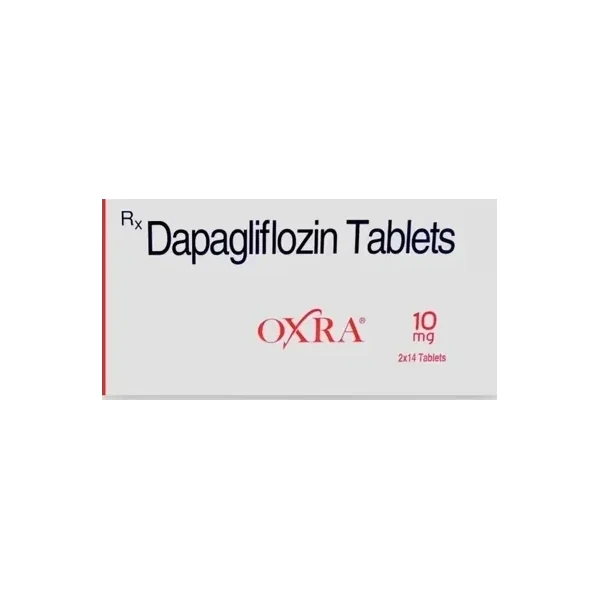
1. Description of Oxra 10 mg
Oxra 10 mg is a prescription medication used to control excessive blood sugar in individuals with Type 2 Diabetes. It includes the active salt Dapagliflozin (10 mg), an FDA-approved Sodium-glucose Cotransporter-2 (SGLT2) inhibitor. Sun Pharmaceutical Industries Ltd. manufactures this antidiabetic medication in a GMP-compliant facility.
Dapagliflozin works by blocking the SGLT2 protein in the kidneys, lowering glucose reabsorption and allowing excess sugar to be excreted in urine. When utilized under medical supervision, this technique has been shown to assist individuals with heart failure and Chronic Kidney Disease (CKD).
One 10 mg tablet should be taken orally once a day, at the same time, with or without meals. If you suspect an overdose, such as severe dizziness or stomach discomfort, get medical attention immediately.
In case you missed a dose, take it as soon as you remember, unless it is close to the next scheduled dose. Do not double-dose. Potential adverse effects include increased urination, urinary/genital infections, dizziness, back discomfort, and rash.
Take emergency medical treatment if you experience severe dehydration, signs of Ketoacidosis (nausea, vomiting, abdominal pain), or an extremely rapid heartbeat. Notify your doctor if you have Low Blood Pressure, dehydration, or a history of infections.
Avoid the medication if you have Type 1 Diabetes or if you are taking diuretics and other antidiabetics. Store the pill in a cool, dry location away from direct sunlight, ideally below 30°C.
Since Oxra increases sugar levels in the urine, it forms an environment where yeast can grow. Adopting good hygiene and drinking plenty of water can help reduce the risk of genital fungal infections.
2. How Oxra 10 mg Works
Oxra tablets contain Dapagliflozin, an SGLT2 inhibitor used to treat Type 2 Diabetes. It works by restricting glucose reabsorption in the kidneys, enabling excess sugar to be eliminated from the body through urine. This reduces blood glucose levels independently of insulin activity.
The medication has several advantages, including:
- Better blood sugar control
- Decreased fasting and post-meal blood sugar
- Reduced chances of Hypoglycemia (Low Blood Sugar)
- Weight loss and blood pressure regulation through modest fluid and calorie loss
Furthermore, it provides cardiovascular and kidney protection in suitable patients, making it a valuable alternative for long-term Diabetes control when used as directed.
Oxra should be taken as suggested by a healthcare provider to ensure safety and efficacy. However, some common usage guidelines include:
- Take the medicine preferably at the same time daily to maintain consistent blood sugar control.
- Gulp this blood sugar control pill whole with water. Never crush, chew, or break the tablet.
- You can have the tablet before or after pills.
- Stick to the recommended dosage of one 10 mg pill a day.
Oxra begins working within two hours to lower blood glucose, but it can take up to a week of consistent use to see the full effect on your blood sugar readings.
3. Mechanism of Action
At the cellular and biochemical level, Dapagliflozin interacts selectively with specific physiological receptors and enzymatic pathways responsible for regulating targeted therapeutic pathways.
By modulating these targeted pathways, Oxra 10 mg restores balanced physiological response without unnecessary systemic burden when taken at the physician-recommended dose.
4. Dosage and Administration of Oxra 10 mg
4.1 Recommended Dosage
The standard medical recommendation for Oxra 10 mg Tablet is tailored according to patient tolerance, therapeutic response, and clinical evaluation. Always adhere to professional healthcare provider recommendations to minimize adverse events.
4.2 How to Take
- Swallow the tablet or capsule whole with a full glass of plain water.
- Can be taken with or without food, unless advised otherwise by your doctor.
- Avoid heavy, high-fat meals immediately prior to consumption for optimal absorption.
- Do not crush, chew, or split the tablet unless specifically designed as chewable or dispersible.
4.3 When to Take
Take Oxra 10 mg strictly according to the schedule prescribed by your healthcare provider. Do not exceed more than one prescribed dose within a 24-hour window.
4.4 Who Can Use
✔ Suitable For:
- Adult patients diagnosed with conditions requiring Dapagliflozin.
- Individuals evaluated by a licensed healthcare provider for Diabetes therapy.
- Patients with verified tolerance to the prescribed strength.
✖ Not Suitable For:
- Individuals with known hypersensitivity or allergy to Dapagliflozin.
- Patients taking contraindicated or interacting therapies without physician approval.
- Patients with unstable cardiovascular, severe hepatic, or renal conditions unless cleared by a specialist.
- Pediatric patients under 18 years unless explicitly prescribed.
5. Side Effects and Warnings
While Oxra 10 mg is clinically evaluated and well-tolerated, systemic physiological responses may vary:
Oxra can lead to a few mild and temporary side effects, including:
- Nausea
- Urinary Tract Infection
- Fungal infection of the genitals
- Inflammation of the throat and nasal passages
- Polyuria (abnormally large volume of urine)
These side effects usually subside as your body adapts to the medication. If they remain longer or turn bothersome, reach out to your medical provider immediately.
6. Precautions & Drug Interactions
Liver Disease
Oxra is typically considered safe for mild to moderate liver disease without dosage modifications. However, it is not advised for severe liver impairment. Always contact your doctor, as they could suggest a lower initial dose (5 mg) or close monitoring.
Kidney Impairment
Oxra can be used by kidney patients, but cautiously and only under the guidance of a doctor. However, it is often avoided in patients with significant kidney damage or Chronic Kidney Disease (CKD). Kidney function tests are performed before and during therapy.
Pregnant and Breastfeeding women
Oxra 10 pill is not suggested during pregnancy or breastfeeding. Dapagliflozin in the tablet can affect fetal kidney development and can be transferred into breast milk. If you are pregnant or breastfeeding, always contact your doctor about safer options.
Avoid
Alcohol should be avoided while taking Oxra. Drinking alcohol can increase the likelihood of Low Blood Sugar, dehydration, and dizziness. It can also worsen Diabetes control.
7. Storage and Handling
Store Oxra 10 mg Tablet blister packs at controlled room temperature between 15°C to 30°C (59°F to 86°F). Keep protected from excessive heat, bathroom moisture, and direct sunlight. Retain in original factory packaging until consumption and keep strictly out of reach of children and pets.
8. Frequently Asked Questions (FAQs)
Q: What is the active ingredient in Oxra 10 mg?
A: Oxra 10 mg is formulated with Dapagliflozin as its active pharmaceutical ingredient and is manufactured in WHO-GMP certified pharmaceutical facilities.
Q: How should I store Oxra 10 mg safely?
A: Keep the medicine in its original moisture-resistant blister pack at room temperature (15°C–30°C), away from direct sunlight and out of reach of children.
Q: Can I order Oxra 10 mg with discreet international shipping?
A: Yes. MyEdKart ships all orders in plain, tamper-evident packaging with live tracking numbers provided upon dispatch.
Q: Should Oxra be used for Type 1 Diabetes?
A: No, Oxra should not be used for Type 1 Diabetes. It is approved only for Type 2 Diabetes. Using it in Type 1 Diabetes can enhance the likelihood of Diabetic Ketoacidosis (DKA), a severe and potentially life-threatening condition. Always follow your doctor's advice.
Q: Is weight loss a common adverse effect of Oxra?
A: Yes, weight loss is a common adverse effect of Oxra. Since the medication causes the body to lose calories through the glucose excretion in urine, many patients notice a modest reduction in body weight during treatment.
Q: Is it safe to drive or operate machinery after taking Oxra 10 mg Tablet?
A: Yes, you can drive while taking Oxra. Generally, it does not affect driving ability. However, if your blood sugar becomes too low when combined with other medicines, you can feel dizzy or blurred. Ensure your sugar is stable before driving.
Q: Should I stop taking Oxra without consulting your doctor, as your blood sugar could rise rapidly?
A: No, you should not stop taking Oxra without consulting your doctor, as your blood sugar could rise rapidly. However, your doctor could advise a temporary pause if you are undergoing surgery or have severe dehydration.
Q: Is Oxra often prescribed for heart failure because it helps the heart pump more efficiently and reduces fluid buildup?
A: Yes, Oxra is often prescribed for heart failure because it helps the heart pump more efficiently and reduces fluid buildup. It has been shown to lower the risk of hospitalization and cardiovascular death in these patients.