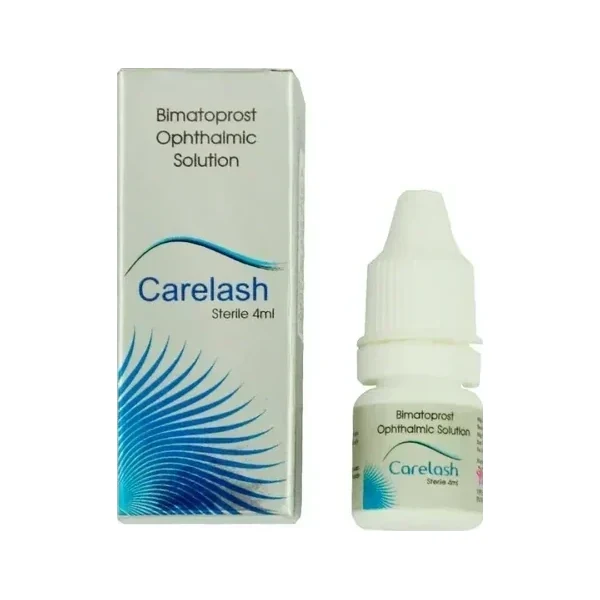
1. Description of Carelash Ophthalmic
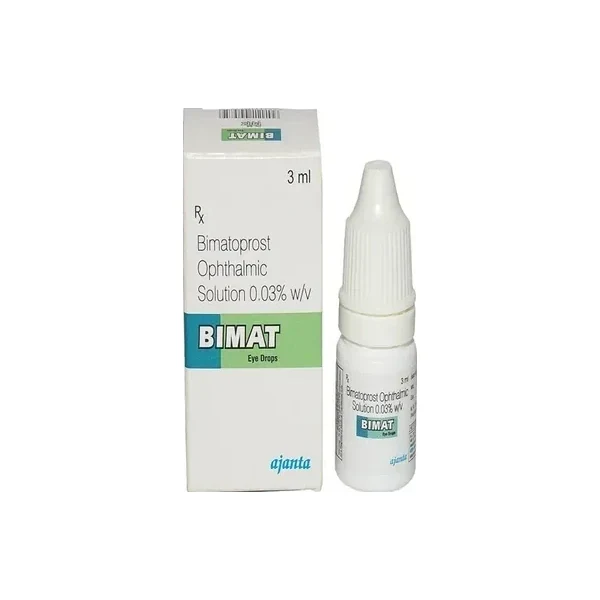
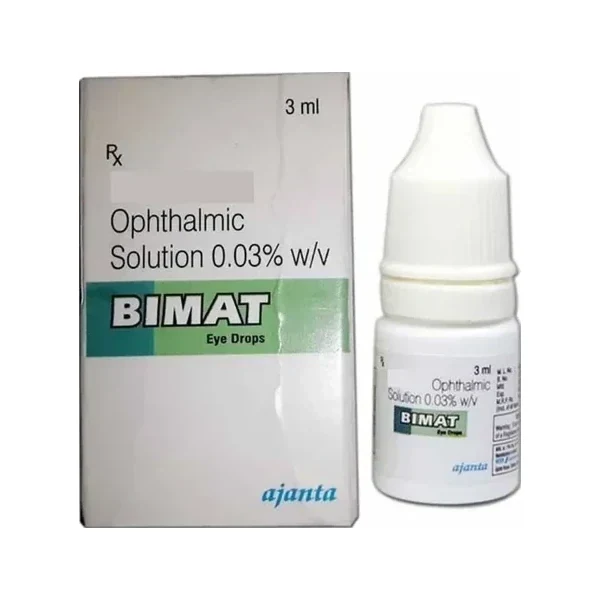
Carelash Ophthalmic Solution is a prescription eye drop used to reduce elevated pressure inside the eyes in adults and children with Glaucoma and Ocular Hypertension. It contains Bimatoprost (0.03% w/v) as the active ingredient, which belongs to a class of medicines called prostaglandin analogues. High intraocular pressure can damage the optic nerve and lead to vision loss or blindness if left untreated. This medicine helps prevent such damage by lowering eye pressure effectively.
Emkay Sales Corporation manufactures Carelash Ophthalmic in WHO-GMP-certified facilities. Bimatoprost works by increasing the outflow of aqueous humor, the fluid inside the eye, into the bloodstream. This reduces the buildup of pressure that can harm your vision. The solution contains benzalkonium chloride as a preservative.
This eye drop can be used alone or in combination with other eye medicines to control pressure. Apply one drop once daily in the evening or at night to the affected eye as directed by your doctor. Remove contact lenses before application and wait at least 15 minutes before reinserting them. Never use a bottle if the seal is broken before first use.
If you miss a dose, apply it as soon as you remember, unless it is almost time for your next scheduled dose. Skip the missed dose and continue your regular schedule without doubling up. Common Carelash side effects include eye redness (conjunctival hyperemia) and eye itching. These effects are usually mild and temporary.
Follow your doctor's instructions regularly to get the most benefit. Stopping treatment can cause pressure to increase again and potentially damage your sight.
Store the Carelash solution in a refrigerator at 2-8°C without freezing and use within 4 weeks of opening the bottle. Keep out of reach of children and away from direct sunlight.
Carelash Ophthalmic Solution is used to treat Glaucoma and Ocular Hypertension by reducing elevated intraocular pressure. It helps prevent optic nerve damage and vision loss by increasing the drainage of fluid from inside the eye into the bloodstream through natural pathways.
If you miss a dose of Carelash Ophthalmic Solution, apply it as soon as you remember, unless it is almost time for your next scheduled dose. In that case, skip the missed dose and continue with your regular once-daily schedule without doubling up.
If you stop using Carelash Ophthalmic Solution, your intraocular pressure will likely increase again within days or weeks, potentially damaging your optic nerve and vision. Eyelash changes usually reverse after several weeks to months, but iris color changes are permanent and will not reverse.
2. How Carelash Ophthalmic Works
Carelash Solution provides effective control of elevated intraocular pressure in Glaucoma and Ocular Hypertension patients. Bimatoprost increases aqueous humor drainage through the uveoscleral pathway, significantly lowering eye pressure and reducing the risk of optic nerve damage and vision loss.
Key Carelash Ophthalmic Solution benefits include:
- Effectively reduces elevated intraocular pressure in Glaucoma and Ocular Hypertension patients.
- Works by increasing the natural drainage of fluid from inside the eye.
- It can be used alone or combined with other Glaucoma medications for better pressure control.
- Requires only once-daily application, typically in the evening, for convenience.
- Helps prevent progressive vision loss and blindness caused by high eye pressure.
- May cause eyelash growth and darkening as a secondary cosmetic benefit in some users.
Carelash is a prescription medicine for external use only that should be used exactly as directed by your doctor. Follow these guidelines:
- Apply one drop once daily in the evening or at night to the affected eye(s).
- Wash your hands thoroughly before application to prevent contamination.
- Tilt your head back, pull down the lower eyelid, and hold the dropper close without touching the eye.
- Gently squeeze the dropper to place one drop inside the lower eyelid, then close your eye.
- Apply pressure on the corner of the eye near the nose for about 1 minute after instilling the drop.
- Remove contact lenses before application and wait at least 15 minutes before reinserting them.
- Wait 5-10 minutes before applying other eye medications to avoid dilution.
Consult a healthcare professional if you have questions about proper application technique.
Carelash Ophthalmic Solution typically begins lowering intraocular pressure within 4 hours of the first dose, with maximum effect occurring after about 8 to 12 hours. However, you need to use it regularly as prescribed for several weeks to achieve optimal pressure control.
3. Mechanism of Action
At the cellular and biochemical level, Bimatoprost interacts selectively with specific physiological receptors and enzymatic pathways responsible for regulating targeted therapeutic pathways.
By modulating these targeted pathways, Carelash Ophthalmic restores balanced physiological response without unnecessary systemic burden when taken at the physician-recommended dose.
4. Dosage and Administration of Carelash Ophthalmic
4.1 Recommended Dosage
The standard medical recommendation for Carelash Ophthalmic Solution is tailored according to patient tolerance, therapeutic response, and clinical evaluation. Always adhere to professional healthcare provider recommendations to minimize adverse events.
4.2 How to Take
- Wash your hands thoroughly before handling the dropper bottle.
- Tilt your head back, gently pull down the lower eyelid, and instill the prescribed number of drops without touching the dropper tip to your eye.
- Close your eye gently for 1–2 minutes and remove contact lenses prior to application (wait at least 15 minutes before reinserting).
- Wait 5–10 minutes before applying any other ophthalmic drops or ointments.
4.3 When to Take
Take Carelash Ophthalmic strictly according to the schedule prescribed by your healthcare provider. Do not exceed more than one prescribed dose within a 24-hour window.
4.4 Who Can Use
✔ Suitable For:
- Adult patients diagnosed with conditions requiring Bimatoprost.
- Individuals evaluated by a licensed healthcare provider for Eye Drop therapy.
- Patients with verified tolerance to the prescribed strength.
✖ Not Suitable For:
- Individuals with known hypersensitivity or allergy to Bimatoprost.
- Patients taking contraindicated or interacting therapies without physician approval.
- Patients with unstable cardiovascular, severe hepatic, or renal conditions unless cleared by a specialist.
- Pediatric patients under 18 years unless explicitly prescribed.
5. Side Effects and Warnings
While Carelash Ophthalmic is clinically evaluated and well-tolerated, systemic physiological responses may vary:
Like all medicines, Carelash may cause some side effects, though not everyone experiences them. Most effects are mild and temporary, improving as your body adjusts to treatment.
Common Carelash Ophthalmic Solution side effects include:
- Eye redness or conjunctival hyperemia (blood vessel dilation in the white part of the eye).
- Eye itching or irritation after application.
- Temporary blurred vision or visual disturbances.
- Darkening of eyelid skin over time.
- Increased eyelash growth, length, and thickness.
- Permanent brown pigmentation of the colored part of the eye (iris).
These symptoms are usually mild. However, consult your doctor if they persist, worsen, or cause significant discomfort. Avoid driving until your vision is clear after application.
6. Precautions & Drug Interactions
Liver Disease
No specific dose adjustment is needed for Carelash in patients with liver disease, as Bimatoprost eye drops have minimal systemic absorption when applied correctly. However, inform your doctor about any liver conditions before starting treatment to ensure comprehensive medical monitoring and safe use.
Kidney Impairment
Individuals with kidney disease can generally use Carelash safely without dose adjustments. The medicine is applied topically to the eye with very low absorption into the bloodstream. However, always inform your doctor about kidney problems before beginning treatment for proper medical assessment.
Pregnant and Breastfeeding women
Carelash Ophthalmic Solution is generally considered safe during pregnancy if prescribed by a doctor, though studies are limited. For breastfeeding mothers, available data suggest the drug does not pass into breast milk in significant amounts. To minimize any potential transfer, apply pressure on the corner of the eye for 1 minute after instillation and remove excess solution with tissue.
Avoid
Do not use Carelash Ophthalmic with other prostaglandin analogue eye drops like Latanoprost or Travoprost simultaneously, as this may increase intraocular pressure rather than decrease it. Avoid touching the dropper tip to any surface, including your eye, to prevent contamination. Do not use if the seal is broken before first use. Avoid driving immediately after application if you experience blurred vision; wait until your vision clears. Never use the solution after 4 weeks of opening the bottle, even if the solution remains.
7. Storage and Handling
Store Carelash Ophthalmic Solution blister packs at controlled room temperature between 15°C to 30°C (59°F to 86°F). Keep protected from excessive heat, bathroom moisture, and direct sunlight. Retain in original factory packaging until consumption and keep strictly out of reach of children and pets.
8. Frequently Asked Questions (FAQs)
Q: What is the active ingredient in Carelash Ophthalmic?
A: Carelash Ophthalmic is formulated with Bimatoprost as its active pharmaceutical ingredient and is manufactured in WHO-GMP certified pharmaceutical facilities.
Q: How should I store Carelash Ophthalmic safely?
A: Keep the medicine in its original moisture-resistant blister pack at room temperature (15°C–30°C), away from direct sunlight and out of reach of children.
Q: Can I order Carelash Ophthalmic with discreet international shipping?
A: Yes. MyEdKart ships all orders in plain, tamper-evident packaging with live tracking numbers provided upon dispatch.
Q: Can Carelash Ophthalmic Solution cause permanent iris or eye color changes?
A: Yes, Carelash Ophthalmic Solution may cause permanent brown pigmentation of the iris, especially in people with mixed-colour eyes like green-brown or blue-brown. This color change develops gradually over months or years and does not reverse after stopping the medication.
Q: Does Carelash Ophthalmic Solution cause eyelash growth or darkening?
A: Yes, Carelash Ophthalmic Solution commonly causes increased eyelash growth, length, thickness, and darkening as a side effect. These changes typically develop over several weeks to months of regular use and usually reverse within weeks to months after discontinuing the treatment.
Q: Can I wear contact lenses while using Carelash Ophthalmic Solution?
A: Yes, but you must remove contact lenses before applying Carelash Ophthalmic Solution because soft lenses can absorb the preservative benzalkonium chloride. Wait at least 15 minutes after instilling the drops before reinserting your contact lenses to ensure safety.
Q: Is it safe to drive or operate machinery after taking Carelash Ophthalmic Solution?
A: No, avoid driving or operating machinery immediately after applying Carelash Ophthalmic Solution if you experience temporary blurred vision or other visual disturbances. Wait until your vision is completely clear before performing activities that require full visual alertness and concentration.
Q: What important usage and safety guidance applies to Carelash Ophthalmic Solution (Bimatoprost)?
A: Yes, Carelash Ophthalmic Solution can be used with other eye medications, but wait at least 5 to 10 minutes between applying different drops to prevent dilution. Do not use it simultaneously with other prostaglandin analogues, and always inform your doctor about all eye medications you are using.