 See all Anthelmintic & Anti-worm
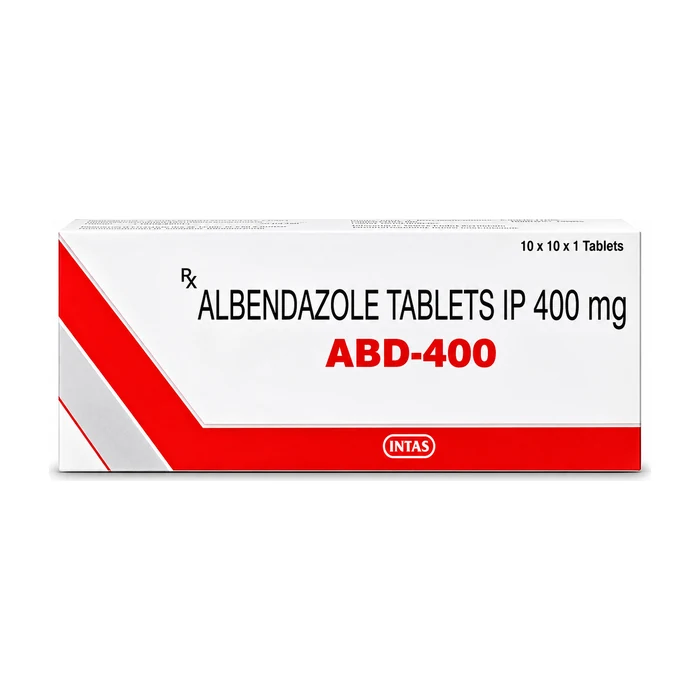
Abd 400 mg Tablet
Starting at just$14.19
See all Anthelmintic & Anti-worm
 See all Anthelmintic & Anti-worm
 See all Anthelmintic & Anti-worm
 See all Anthelmintic & Anti-worm
 See all Anthelmintic & Anti-worm
 See all Anthelmintic & Anti-worm
Albendazole works by disrupting the internal structure and energy supply of susceptible worms.
After entering the body, it is quickly converted into Albendazole Sulfoxide, its active form. This compound binds to beta-tubulin inside parasitic worms and prevents the formation of microtubules needed for normal cell function.
It also prevents worms from properly using glucose. As their energy stores fall, the parasites become immobilized and eventually die. In this manner, Albendazole helps clear adult worms, larvae, or tissue-stage parasites depending on the infection being treated.
It begins working within 2 hours of intake and reaches peak levels within 5 hours. A single 400 mg dose of Albendazole remains effective for up to 12 hours and is detectable in trace amounts for 24 hours.
The FDA-approved uses of Albendazole tablets are in the treatment of:
Albendazole is also commonly prescribed off-label for several intestinal worm infections. These include Ascariasis (roundworm infection), hookworm, pinworm, whipworm, threadworm, Strongyloidiasis, and certain fluke infections. These uses are not FDA-approved and require appropriate medical guidance.
Albendazole pills are available in different strengths and formulations. The appropriate dose depends on the type of infection, body weight, age, and whether the parasite is confined to the intestine or has invaded other tissues.
Always follow the dosage and usage guidelines provided by your doctor.
Albendazole dewormer for humans is generally well-tolerated when used as prescribed. However, adverse effects may occur and vary depending on the dose and duration of treatment.
The most commonly reported Albendazole side effects include:
Although not always, some people may also experience the following adverse effects:
Rare but serious reactions require prompt medical attention and may include:
Consult your doctor if side effects persist or worsen.
Albendazole can interact with certain medicines, health conditions, and dietary factors. These interactions can affect Albendazole levels or raise the likelihood of adverse effects.
Medications that require dose adjustment and closer monitoring with this anthelmintic include:
Closer medical supervision may be required in people with:
Food can change Albendazole absorption depending on the infection. Fatty meals can increase Albendazole Sulfoxide levels by up to 5 times, which is useful for systemic infections but unnecessary and unsafe for intestinal deworming.
Grapefruit juice can also increase Albendazole exposure and increase the risk of side effects.
This is not a complete list of interactions. Always discuss all medications, supplements, and health conditions with your doctor for safe treatment.
Albendazole should not be taken by anyone allergic to Albendazole, Mebendazole, another Benzimidazole medicine, or any ingredient in the tablet.
Pregnant women should generally avoid Albendazole because animal studies have shown a risk of fetal harm. A pregnancy test is recommended before treatment when pregnancy is possible.
People with liver disease, abnormal liver enzymes, low blood cell counts, bone marrow disorders, or eye involvement from Cysticercosis require medical assessment before treatment. Albendazole can be used for selected worm infections in kids, but those younger than 2 years should receive it only under medical guidance.
Never take veterinary Albendazole formulated for animals, as it can cause serious toxicity in humans.
Store Albendazole pills in their original, tightly closed container at room temperature 20-25°C. Protect them from excess heat, moisture, and direct light. Keep it out of reach of children and pets.
Never use expired products. Use a medicine take-back program or ask a pharmacist how to dispose of unused medicines safely.
Choosing the right Albendazole product depends on the diagnosed parasite, the required dose, the treatment duration, the patient's age, and the preferred formulation.
Albendazole 400 mg is commonly used for intestinal deworming against roundworms, hookworms, and pinworms. Longer or weight-based treatment is advised for Neurocysticercosis and Hydatid Disease.
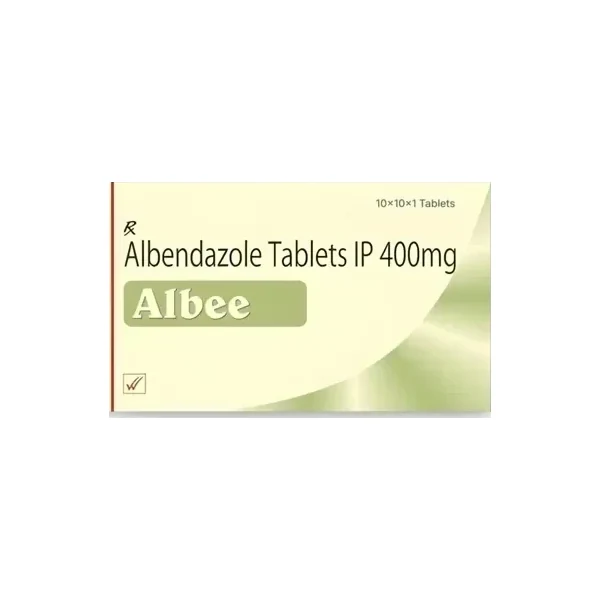
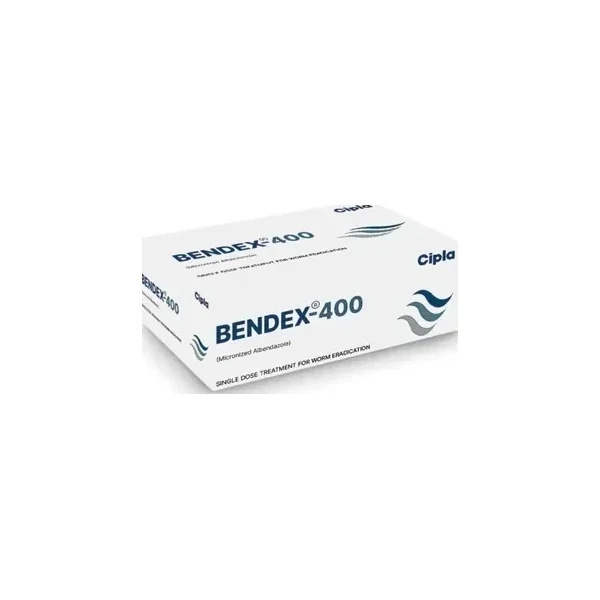
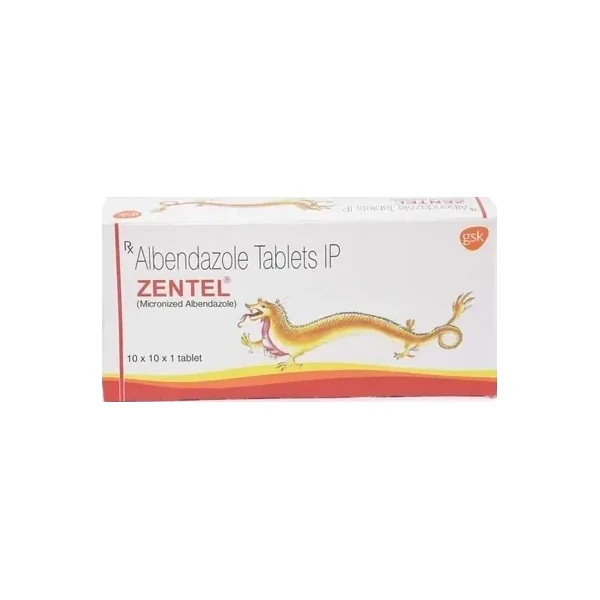
Standard oral tablets and chewable options are available globally as WHO-GMP-certified generics, including Zentel, Abd, and Albee. These are a lower-cost option than brand-name Albenza, delivering the same clinical benefits.
Always check the strength, manufacturer, expiry date, and storage details before making a purchase. Consult a healthcare provider for the most suitable brand, dose, and treatment schedule.
No, alcohol should not be taken during Albendazole treatment, particularly with longer courses or liver problems. Since Albendazole can raise liver enzymes, and alcohol can add further liver strain, discuss use with your doctor.
If a scheduled dose of Albendazole is missed, take it as soon as you remember. If the next dose is near, skip it. Never take two doses together to make up for the missed worm infection tablet.
No, Albendazole is not considered safe during pregnancy because animal studies suggest harm to the developing fetus. A pregnancy test is recommended before treatment if pregnancy is suspected. Consult your doctor immediately if conception occurs during an Albendazole course.
Albendazole reaches peak blood levels within 2-5 hours, but it may take 1-3 days to clear intestinal worm infections. Additionally, pinworm treatment requires a repeat dose after 2 weeks, and tissue infections may need longer courses.
Worm reinfection can be prevented after taking Albendazole by washing hands thoroughly and keeping fingernails short. You should clean toilets regularly, wash bedding often, and avoid sharing towels. Always wear footwear outdoors to reduce exposure to hookworms.
Medical Disclaimer: The product details and health content provided on MyEdKart are for educational and informational purposes only and should not replace professional medical diagnosis or advice. Prescription medications are supplied strictly subject to valid prescription verification and applicable local import regulations. For any assistance, reach us at support@myedkart.com.